TL;DR: For most working musicians, recorded music generates a fraction of total income. Touring — including ticket sales, VIP packages, and merchandise — has become the primary revenue engine, but that revenue is unevenly distributed and comes with significant upfront costs.
Streaming made music more accessible than at any point in history, and then made it harder than ever for most musicians to earn a living from recordings alone. Touring filled that gap — but not for everyone, and not without complexity.
How Touring Revenue Is Structured
A touring musician's income is not simply the ticket price multiplied by attendance. The gross receipts from a show are divided between the venue (which takes a percentage or a flat rent), the promoter (who assumes risk and advances costs), the artist's manager (typically 10–20% of gross), the booking agent (3–10%), and crew and production costs before the artist sees a dollar.
On arena-level tours, these splits can still produce enormous net revenue because the volume is sufficient. But for mid-level touring artists — those playing theaters and festival stages — the net per night can be surprisingly modest. The Music Artists Coalition has documented how production, travel, and accommodation costs absorb a substantial portion of gross touring revenue for non-superstar acts.
The Real Margin: VIP Packages and Merchandise
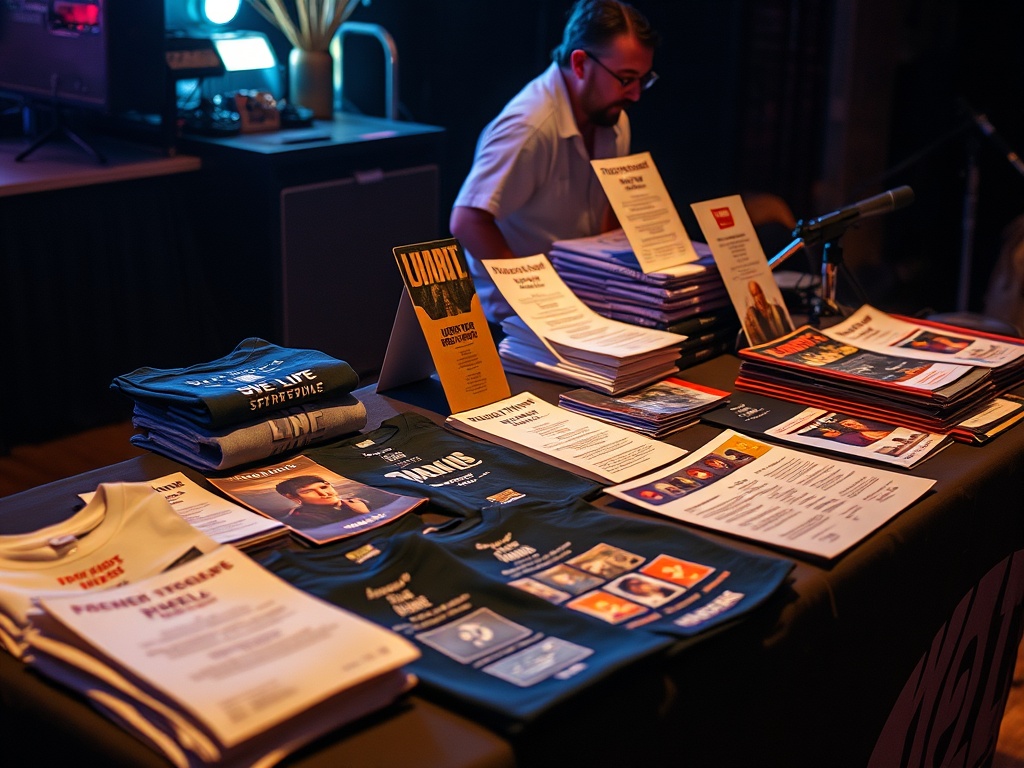
For most touring artists below the arena level, margin is built through ancillary revenue — primarily VIP packages and merchandise. VIP packages can include meet-and-greets, early entry, exclusive merchandise, and soundcheck access. These are often sold at several multiples of the standard ticket price and carry a much higher margin than base tickets because many costs are already covered by the general admission revenue.
Merchandise is particularly significant. Unlike ticket revenue, which passes through multiple hands before reaching the artist, merchandise sold directly at shows (through the artist's own merch operation rather than a venue deal) can return 50–70% margin. Venues typically charge a merch commission — often 30% — but direct sales online before or after a tour bypass this entirely.
| Revenue Stream | Typical Artist Share | Key Variables |
|---|---|---|
| Ticket sales (net) | 15–35% | Venue split, promoter deal, costs |
| VIP packages | 60–80% | Package design, fulfillment costs |
| Venue merchandise | 65–70% (after venue cut) | Venue commission rate |
| Direct merchandise | 50–70% | Production cost, shipping |
| Streaming (per play) | <$0.01 | DSP rates, label deal |
Festival Circuits vs. Headline Touring
Festival bookings offer a different model. Artists are typically paid a flat fee, with no direct exposure to ticket risk. This makes festivals attractive for mid-level artists building their audience, but the fees are often lower than what a comparable headline tour would gross — and the artist loses the merchandise advantage of a dedicated audience at their own show.
For artists trying to understand how their business connects to the broader entertainment economy, the patterns discussed in The Economics of Theatrical Windows in the Streaming Era have a parallel: just as film distributors seek to maximize each revenue window, touring artists are increasingly designing their release and tour cycles to maximize the revenue from each audience touchpoint.
Ticketing Fees and the Fan Experience Problem
Ticketing platform fees have become a contentious issue. Service fees, facility charges, and order fees can add 20–30% to the face value of a ticket, most of which does not reach the artist. Exclusive ticketing deals between venues and major ticketing platforms limit artist flexibility — and have drawn scrutiny from regulators. Artists who absorb fees into the ticket price as a way of building goodwill with fans typically do so at cost to themselves, not to the platform.
What Is Changing, and Where the Leverage Is Moving
Direct-to-fan platforms have begun to shift the balance. Artists who build owned email lists and use direct ticketing tools for smaller venues capture a higher percentage of revenue and retain audience data that supports future marketing. This is structurally similar to the pattern in theatre, explored in detail in the piece on
The Business Model Behind Broadway Recoupment and Touring Revenue, where the touring component of a show often determines whether a production recoups its original investment at all.
What the Numbers Tell Experienced Readers
The artists who profit consistently from touring are not necessarily the most streamed. They are the ones who have built efficient touring operations, negotiated favorable merch splits, developed VIP programs with genuine value, and — critically — retained direct relationships with their core audience. Streaming numbers matter for booking leverage. Net touring revenue is what actually sustains a career.
For further context on how music business structures interact with streaming and rights economics, the Recording Industry Association of America publishes annual data on recorded music revenue that clarifies why touring revenue has grown relative to recordings over the past decade.
To build a more complete picture of how entertainment revenue streams interact, read alongside The Business Logic Behind Spinoffs, Reboots, and Franchise TV — the same logic of IP leverage and audience loyalty applies across industries.
If you're trying to assess an artist's touring economics, start with the ticket price, work backward through the split structure, and add up the merch and VIP margin — the real picture rarely matches the headlines.