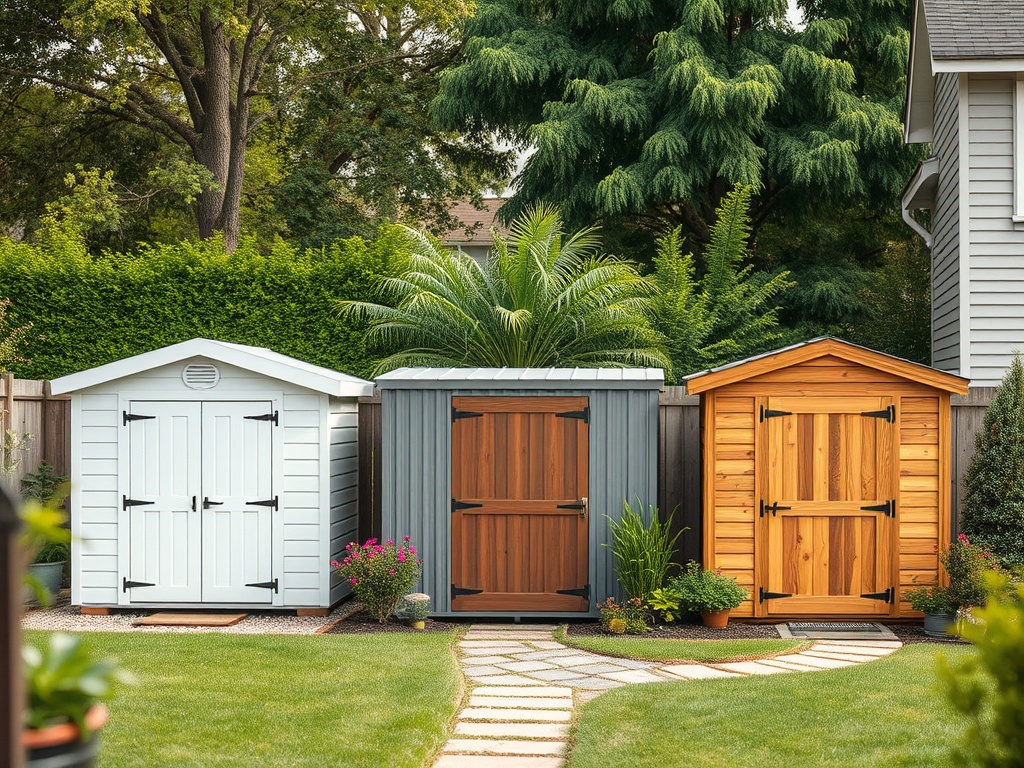

The best storage shed for a small backyard is the smallest structure that safely holds what you actually need, fits required setbacks and access routes, and can be maintained on the site. Resin is often low-maintenance, metal can provide efficient enclosed storage, and wood offers the most customization, but no material is best for every yard.
TL;DR: Measure the usable site before shopping, check local rules, list the longest and bulkiest items you must store, and compare door access, floor strength, ventilation, weather resistance, maintenance, and anchoring. For very tight yards, a slim vertical shed may beat a conventional walk-in model. Choose material based on climate and upkeep tolerance, not appearance alone.
Start With the Yard Instead of the Catalog
A shed can be “small” in product listings and still overwhelm a compact yard. Measure the proposed footprint, but also measure the space needed to open doors, carry equipment in and out, walk around the structure for maintenance, and access fences, utilities, gates, drainage routes, or other features.
Mark the footprint with stakes, string, or painter’s tape on paving. Then place the longest item you plan to store inside that outline. Lawn mowers, bicycles, ladders, wheelbarrows, folding tables, and long-handled tools often determine whether the shed is usable more than the stated cubic capacity.
Also think vertically. A narrow shed with well-designed wall storage can use less yard area than a low, wide structure filled with floor-level clutter.
Check Local Rules Before You Choose a Size
Permit and zoning rules vary widely. The 2024 International Residential Code includes a model-code permit exemption for some one-story detached accessory structures up to 200 square feet, but a model code is not the same as the law in every city or county. The ICC code text also makes clear that an exemption from a permit does not authorize work that violates other laws or ordinances.
Local rules may address setbacks, height, lot coverage, easements, utilities, foundations, wind or snow loads, electrical work, historic districts, homeowners associations, or flood zones. Check the authority having jurisdiction before ordering a structure.
This step is especially important in a small yard because moving a shed later can be difficult or impossible.
Decide What Type of Small Shed You Actually Need
A compact backyard typically suits one of four formats.
A vertical shed has a small footprint and works well for hand tools, garden supplies, folded chairs, or a push mower if the door opening is large enough. A horizontal or low-profile shed can sit below windows or sightlines and is useful for bins, cushions, or short equipment. A lean-to style uses a narrow strip beside a house or fence, subject to local clearance and fire-separation rules. A small walk-in shed is best when you need to enter, turn, and reach items on both sides.
The right type depends on access patterns. If everything at the front must be removed to reach the back, the theoretical storage capacity is not very valuable.
Resin Sheds: Good for Low-Maintenance Storage
Resin or plastic sheds are popular because they do not need painting and are not subject to rust in the way unfinished steel can be. Molded panels can also tolerate routine rain exposure, although seams, doors, hardware, and foundations still need attention.
Potential trade-offs include limited customization, plastic components that can age under sun exposure, and wall systems that may require proprietary reinforcement before heavy shelving is added. Color and surface appearance are also a matter of preference.
Resin is a strong candidate for gardeners who want a relatively simple enclosure for tools, containers, and outdoor supplies and do not plan to modify the structure heavily.
Metal Sheds: Efficient but Sensitive to Moisture Management
Metal sheds can provide a thin-wall enclosure that uses interior space efficiently. They can be durable when properly coated, installed, anchored, and maintained.
Condensation can be a concern where humid air meets cool metal surfaces. Ventilation, a dry foundation, and appropriate storage practices matter. Scratches or damaged coatings may need attention to reduce corrosion risk, depending on the material and finish.
Thin panels can also dent, and some metal sheds have lower-feeling roof or doorway clearances than their footprint suggests. Check internal dimensions, not just the nominal outside size.
Metal works well when the priority is enclosed storage in a compact footprint and the site can support good drainage and anchoring.
Wood Sheds: Flexible and Repairable
Wood sheds offer the greatest flexibility for custom shelves, hooks, windows, doors, trim, and future changes. They can also visually match a house or fence more easily than some prefabricated systems.
The trade-off is maintenance. Exterior finishes, joints, roof edges, trim, and the base need periodic inspection. Wood should be kept away from persistent ground moisture and protected according to the construction and material specifications.
When working with pressure-treated or older preserved wood, follow current safety guidance. The U.S. EPA’s overview of wood preservative chemicals explains that treated wood is widely used outdoors and that preservative types and use restrictions matter.
Wood is a good fit when customization is worth the additional maintenance.
| Shed type | Best fit in a small yard | Main advantages | Watch for |
|---|---|---|---|
| Vertical resin | Hand tools, bins, compact equipment | Small footprint; little finish upkeep | Wall-load limits; sun aging; access depth |
| Compact metal | Simple enclosed storage on a budget | Thin walls; efficient interior footprint | Condensation; coating damage; denting |
| Small wood | Custom shelving and adaptable storage | Easy to modify and repair; flexible appearance | Finish upkeep; moisture management |
| Low-profile / horizontal | Cushions, bins, low sightlines | Fits below some windows and fences | Limited standing access; bending reach |
General comparison only; specific shed models vary by construction, ratings, and installation requirements.
The Foundation Matters More Than Many Buyers Expect
A shed needs a stable, level base appropriate to the product, soil, drainage, frost conditions, and local requirements. A poorly supported structure can rack out of square, making doors bind and roof or wall joints perform poorly.
Common bases include compacted gravel systems, concrete slabs, pavers, or framed platforms, depending on shed type and site conditions. Follow the manufacturer’s specifications rather than improvising a base based only on what is easiest to build.
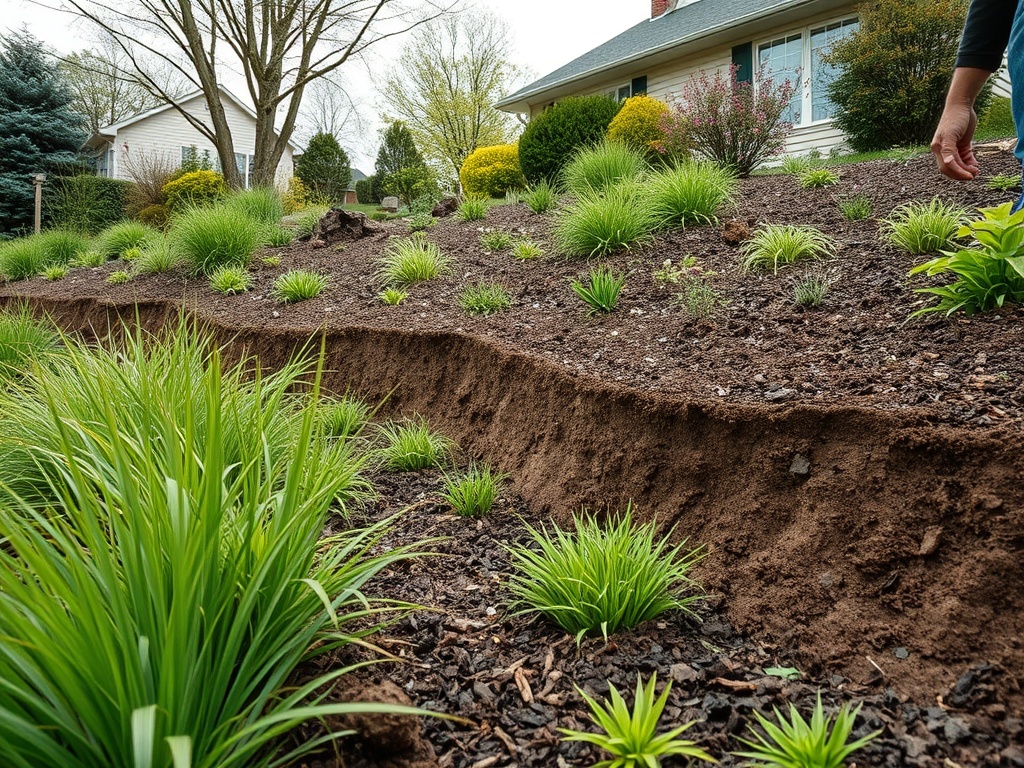
Keep runoff from concentrating around the foundation. If the yard already has erosion or drainage issues, review slope landscaping solutions before placing a shed in the path of water.

Shortlist by Use Case Instead of Price Alone
For a balcony-scale or tiny fenced yard, start with a vertical cabinet-style shed for hand tools and compact supplies. For bicycles and a mower, prioritize door width and a low threshold. For a gardener with many wall-mounted tools, a small wood shed may offer more customization. For owners who want minimal finishing work, a resin shed may be more attractive. For a tight budget and simple enclosure needs, metal may offer value, but foundation, anchoring, and condensation management still matter.
These are general fit recommendations, not performance rankings. Specific products vary greatly in panel thickness, hardware, warranties, wind ratings, snow ratings, floor systems, and installation requirements.
Buy the Shed That Leaves the Yard Functional
A shed should solve storage without consuming the outdoor space you wanted to enjoy. Preserve access to gates, utilities, garden beds, and maintenance areas. Leave room for drainage and safe movement. If the shed forces every other activity into a narrower path, it may be too large even if it technically fits.
Before buying, make a final checklist: local approval, measured footprint, access clearance, door width, foundation, anchoring, ventilation, shelf compatibility, maintenance, and delivery path. Then compare models only within those constraints.
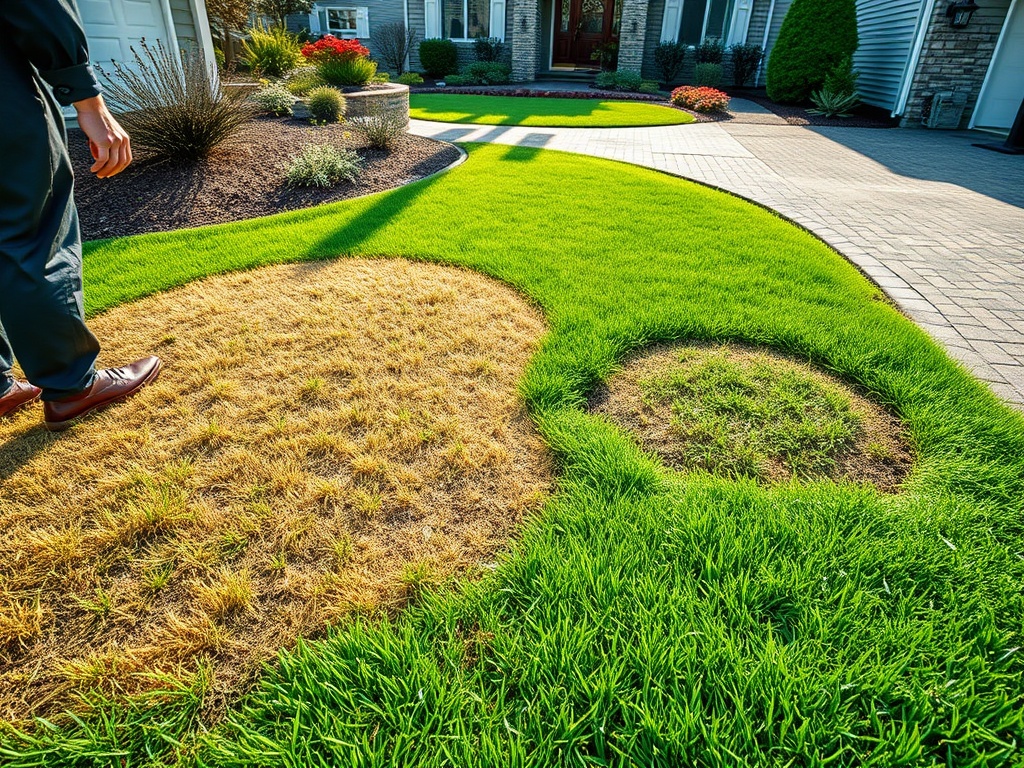
For a second diagnostic approach to outdoor spaces, lawn fungus versus drought stress shows why observing site conditions before choosing a product or treatment usually leads to better decisions.
Informational note: This article is for general educational purposes and does not replace local zoning, permitting, structural, electrical, environmental, fire-safety, or manufacturer guidance. Verify site-specific requirements before installing a shed.[/