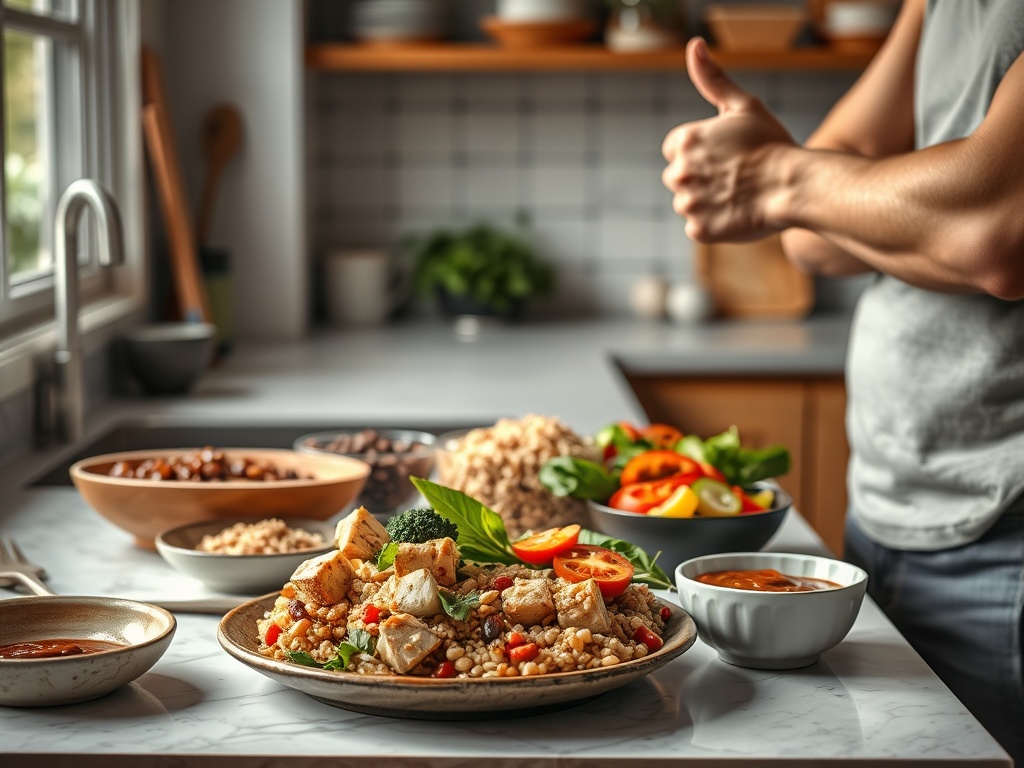

You can build muscle on a plant-based diet. The key drivers remain the same as in any eating pattern: progressive resistance training, sufficient total food, adequate protein, and recovery. Plant-based eating changes the food choices used to meet those needs, not the underlying biology of adaptation.
The International Society of Sports Nutrition position stand on protein and exercise describes a broad daily protein range for exercising adults and emphasizes distribution across the day. The Academy of Nutrition and Dietetics position on vegetarian diets concludes that appropriately planned vegetarian patterns can be nutritionally adequate.
The Evidence-Based Answer
Yes. Muscle gain is possible on a plant-based diet when resistance training is progressive, total energy intake supports the goal, protein is adequate, and meals include varied protein sources. The main challenge is planning, not the absence of animal foods.
Muscle Growth Still Starts With Training
Protein cannot replace a training stimulus. Muscles adapt when resistance training asks them to produce force repeatedly and the challenge increases over time. A plant-based diet supports that process by supplying energy, amino acids, carbohydrate for training, and micronutrients involved in normal function.
Use a stable program long enough to evaluate it. Track repetitions, resistance, and technique rather than changing exercises every week. Planned easier periods can help manage fatigue; the explanation of deload weeks shows how training stress can be reduced without abandoning the program.
Protein Quantity Matters, but Context Matters Too
The ISSN position stand notes that many exercising people can support adaptation with roughly 1.4 to 2.0 grams of protein per kilogram of body weight per day. That range is not a personalized prescription. Body size, training volume, total energy intake, age, digestion, goals, and medical conditions all affect what is appropriate.
People with kidney disease, metabolic conditions, pregnancy-related needs, eating-disorder history, or other clinical concerns should discuss higher-protein plans with a qualified healthcare professional. A number from a sports-nutrition paper should not override individual medical guidance.
Plant Protein Quality Is a Planning Question
Different foods provide different amounts and proportions of essential amino acids. This does not mean every meal must create a perfect “complete protein” combination. Eating a varied diet across the day can provide complementary amino acids, while some foods—such as soy foods—already offer a strong amino-acid profile.
Practical protein anchors include tofu, tempeh, edamame, lentils, beans, chickpeas, seitan, textured vegetable protein, peas, and higher-protein grains. Dairy and eggs can also contribute in vegetarian diets. Choose foods you digest well and can repeat consistently.
Build Meals Around a Visible Protein Anchor
A common plant-based muscle-building mistake is assembling meals from vegetables, grains, sauces, and small toppings without a substantial protein source. The meal may be nutritious but too light for the training goal. Start by choosing the protein anchor, then add carbohydrate, produce, fats, and flavor.
For example, a bowl might begin with tofu or lentils, then add rice or another grain, vegetables, and a sauce. Breakfast could use soy milk, oats, nuts, and an additional protein-rich food. The exact foods matter less than making the protein source deliberate rather than accidental.
- Tofu or tempeh with grains and vegetables
- Lentil or bean dishes with bread, rice, or potatoes
- Seitan with vegetables and a carbohydrate source
- Soy yogurt or soy milk paired with cereal, fruit, and nuts
- A plant-protein supplement when whole-food options are impractical

Energy Intake Can Be the Hidden Limitation
Many plant foods are high in fiber and water, which can make a diet filling before it supplies enough energy for muscle gain. If body weight, training performance, and recovery are all flat despite consistent training, the issue may be total intake rather than protein alone.
Increase energy gradually with larger portions or more energy-dense additions such as nut butters, tahini, olive oil, dried fruit, avocado, or smoothies. Monitor digestion and appetite. Aggressive eating that causes persistent discomfort is not a sustainable muscle-building strategy.
Supplements: Useful Tools, Not Proof of Superiority
A protein powder can make intake easier, especially around work, travel, or low appetite. Soy, pea, rice blends, and other products can all contribute. Choose products with clear labeling and, when possible, independent third-party testing. A supplement is convenient; it is not automatically more anabolic than a well-planned meal.
Vitamin B12 requires special attention in fully vegan diets because reliable unfortified plant sources are limited. Vitamin D, iodine, iron, calcium, zinc, and omega-3 intake may also deserve review depending on food choices and individual circumstances. A registered dietitian can assess the whole pattern rather than recommending a generic stack.
Avoid Two Opposite Nutrition Traps
The first trap is assuming plant-based automatically means adequate. A diet can be plant-based and still be low in protein, energy, or key nutrients. The second trap is overcorrecting with highly restrictive meal rules, constant tracking, and fear of eating outside the plan.
If physique goals trigger rigid thinking, the guide to avoiding an all-or-nothing mindset during weight loss offers a more flexible framework. Although muscle gain and weight loss are different goals, both benefit from judging patterns over time rather than treating one meal as success or failure.
How to Know the Plan Is Working
Use several indicators together: strength trends, completed training volume, body-weight trend when relevant, measurements if desired, energy during sessions, and recovery. Short-term scale changes can reflect water, glycogen, digestion, and menstrual-cycle variation, so a single measurement should not drive major diet changes.
If performance rises and recovery is good, the plan may already be adequate. If progress stalls, adjust one factor at a time: training progression, total energy, protein distribution, sleep, or exercise selection. Reviewing common workout mistakes can prevent nutrition from taking the blame for a poorly structured program.
A Simple Day of Protein Distribution
A practical day might include a soy-based breakfast, a lentil or bean lunch, tofu or seitan at dinner, and a protein-rich snack when needed. The point is not to copy a menu exactly. It is to avoid placing nearly all protein in one meal while the rest of the day contributes very little.
Plan from foods you already like, then check whether each main meal contains a visible protein source. This approach is usually easier to maintain than building the diet around isolated supplements or unfamiliar recipes.
A Plant-Based Muscle Plan You Can Actually Repeat
Choose three or four protein-rich meals you enjoy, keep convenient options available, and pair them with a progressive resistance program. Review the plan after several weeks, not several days. Muscle gain is slow, and meaningful evaluation requires enough time for training and nutrition patterns to become visible.
Seek personalized support when appetite, gastrointestinal symptoms, nutrient deficiencies, medical conditions, or a complicated relationship with food make planning difficult. The strongest plant-based muscle-building diet is not the most restrictive one. It is the one that reliably supports training, health, and everyday life.