TL;DR: Surface pattern licensing lets designers earn royalties by selling the right to use their repeating designs on manufactured products — with income potential that depends heavily on contract terms, exclusivity arrangements, and the scale of the licensee's production.
A repeating pattern can appear on thousands of pillowcases, wallpaper rolls, or tote bags without the designer doing anything beyond having created it. That's the appeal of surface pattern licensing — and understanding how the business side works is what separates designers who earn from it consistently from those who don't.
How Surface Pattern Licensing Works
Licensing, in this context, means granting a company the right to reproduce a design on a defined set of products, for a defined period, in defined markets. The designer retains ownership of the original artwork. In return for the right to use it, the licensee pays either a royalty (a percentage of net sales, typically 5–15% for surface patterns) or a flat advance against royalties, or both.
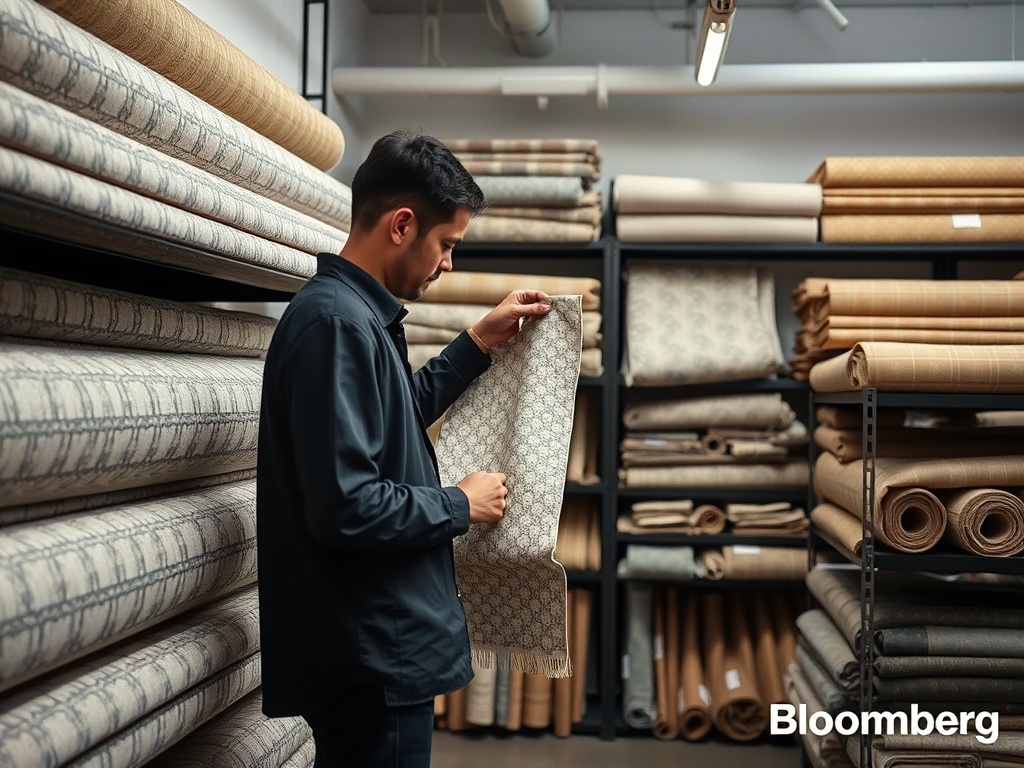
The surface pattern design market connects textile manufacturers, wallcovering producers, stationery brands, homewares companies, and apparel labels with independent designers who create repeating motifs. Platforms like Spoonflower and traditional licensing agents represent different ends of the market — one open and royalty-based at scale, the other selective and relationship-driven.
Contract Terms That Matter Most
Four contract elements define the value of a surface pattern license: the royalty rate, the advance, the exclusivity scope, and the territory. Each can significantly affect how much a designer earns and what flexibility they retain.
A higher royalty rate with no advance means the designer earns only when units sell. An advance is money paid upfront, often non-refundable if the product underperforms, though it is usually recoupable from future royalties. Exclusivity — whether the licensee has the sole right to use the design on a category of products, in a territory, or globally — limits the designer from licensing the same pattern elsewhere, so exclusivity should carry a premium.
| Contract Element | What to Negotiate | Red Flag to Watch |
|---|---|---|
| Royalty rate | 5–15% of net sales | Royalties on 'net' defined narrowly |
| Advance | Recoupable but non-refundable | Refundable advance (puts risk on designer) |
| Exclusivity | Category-specific, not global | Global exclusivity at low royalty rate |
| Territory | Named countries/regions | Worldwide at base royalty |
| Term length | 2–3 years with renewal option | Perpetual license or no renewal terms |
Agents vs. Self-Representation
Surface pattern licensing agents pitch designs to manufacturers on behalf of designers and negotiate deals, typically taking a commission of 25–50% of the royalty earned. That's a significant cut, but agents bring manufacturer relationships, contract expertise, and market access that most independent designers lack. For a designer building a licensing portfolio, working with an agent initially can accelerate deals and provide education about industry-standard terms.
The self-representation route — pitching directly to brands, attending trade shows like Surtex, and negotiating independently — is viable for experienced designers with a strong portfolio and negotiation confidence. The dynamics here are similar to how emerging artists navigate gallery representation, a topic covered in depth in The Business of Gallery Representation for Emerging Artists. Both fields reward artists who understand the business structure before signing.
Digital Platforms and Passive Licensing
Print-on-demand and open licensing platforms have created a different model. Designers upload patterns; the platform handles printing, fulfillment, and customer service; the designer earns a royalty per item sold. The margin per sale is often lower than traditional licensing, but the volume potential and zero advance-risk make it attractive for building a portfolio and testing which designs resonate commercially.
For designers who also create content around their process, the audience dynamics described in Creator FAQ: what to do when growth stalls but your best audience stays engaged apply directly — a loyal following who understands your aesthetic is an asset when pitching to licensees or launching direct sales.
What Is Changing in the Market
AI-generated surface patterns have entered the licensing market, creating both pricing pressure and a quality differentiation opportunity for human designers. Licensees with established brand identities increasingly value hand-crafted aesthetic nuance that AI tools replicate inconsistently. At the same time, demand for surface patterns continues to grow as direct-to-consumer homewares and apparel brands expand.
Building a Sustainable Licensing Practice
Designers who build sustainable licensing income typically maintain a portfolio of non-exclusive licenses across multiple categories, reinvest in new design creation, and track which styles and motifs perform best with specific types of licensees. The Surface Pattern Design Institute provides resources on portfolio development and licensing fundamentals for designers entering or scaling within the field.
Review the contract terms — particularly exclusivity and territory — before committing to any licensing deal, and keep a record of every licensed use of each design for royalty tracking purposes.