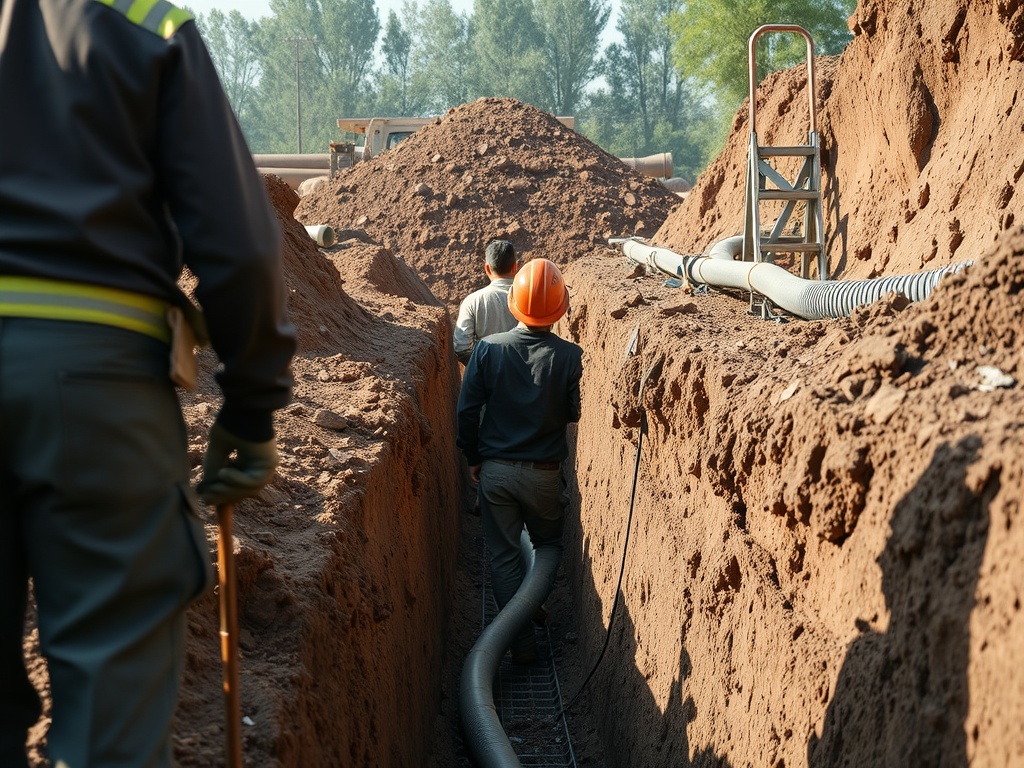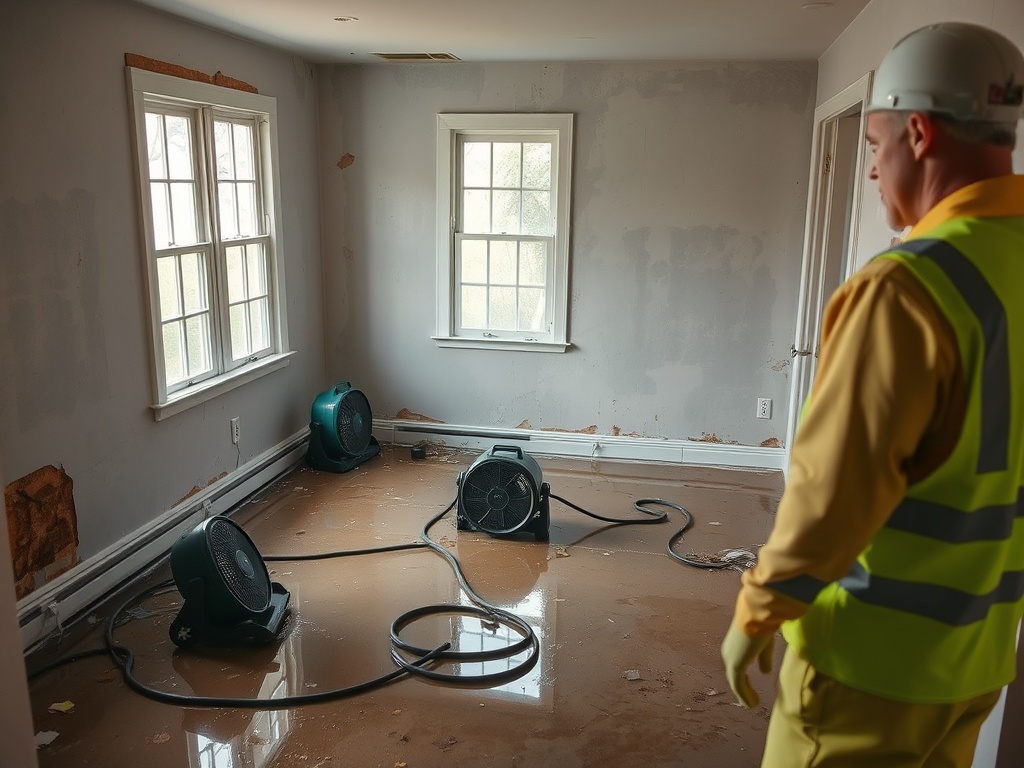

Rebuilding after fire, flood, or storm damage should begin with safety, documentation, temporary stabilization, and local approval. Permanent repairs should wait until hidden damage, moisture, code issues, insurance requirements, and mitigation options are understood.
Key Takeaway: Do not rush straight into cosmetic repairs. Check structural and utility safety, document damage, prevent further loss, dry or clean affected areas properly, and coordinate with insurers, inspectors, and qualified contractors before rebuilding.
Safety comes before cleanup
After a disaster, the building may look accessible while still hiding electrical hazards, weakened framing, contaminated water, gas issues, mold growth, or unstable exterior elements. FEMA advises checking for structural damage before entering a damaged home and reporting concerns to local officials. That mindset applies to commercial and residential properties alike.
The first step is controlled access. Shut off utilities if instructed by authorities, keep people out of unsafe areas, photograph conditions from safe locations, and avoid disturbing materials that may require specialized handling. Temporary repairs such as tarping, boarding, pumping, or bracing should be limited to preventing further damage until the full scope is known.
Moisture, smoke, and hidden damage change the scope
Flood work is not just drying visible surfaces. EPA mold cleanup guidance focuses on basic procedures after flooding and water damage because damp materials can support mold growth. Fire damage may also include smoke residues, heat-compromised materials, water damage from suppression, and odor migration into assemblies.
That is why rebuild scopes should be sequenced: assessment, stabilization, removal of unsalvageable materials, drying or cleaning, verification, design or repair planning, permits, and then reconstruction. Skipping verification can trap moisture behind new finishes.

Rebuild smarter where conditions allow
The NFIP guide to rebuilding safer after a flood encourages owners to consider mitigation options, local damage determinations, and community requirements before rebuilding. In practical terms, that may mean elevating equipment, selecting flood-damage-resistant materials where appropriate, improving drainage, or protecting openings. Movement details, including expansion joints, should be reviewed when damaged assemblies are opened.
Not every upgrade is feasible or required, and local codes control many decisions. Still, disaster repair is often the one moment when hidden assemblies are open and future resilience choices can be considered.
Insurance coordination without losing project control
Insurance requirements can shape the repair sequence, but they do not replace construction judgment. Owners should keep communication organized by saving claim numbers, adjuster notes, photos, receipts, contractor estimates, inspection reports, and temporary-repair authorizations. A simple reality capture habit can make this record easier to understand later.
Avoid starting permanent work until coverage questions, local permits, and hidden-damage investigations are reasonably understood. Temporary protection is different from final repair. Mixing the two can create confusion about what was authorized and what remains to be approved.
Common rebuild mistakes that create second losses
A second loss often starts with a rushed first repair. Examples include closing wet cavities, replacing finishes before smoke residue is addressed, reusing questionable insulation, ignoring roof-to-wall water paths, or repairing exterior damage without improving drainage or flashing details.
A better approach is staged acceptance. Confirm that unsafe materials are removed, drying or cleaning targets are met, damaged assemblies are understood, and code or mitigation requirements are reviewed before installing new finishes. The finished room is only as reliable as the hidden work behind it.
Owner decisions that should not be postponed
Disaster recovery forces decisions under stress, but several choices should be made deliberately. Owners need to decide who can authorize work, how communication will be recorded, what temporary repairs are acceptable, where displaced belongings or equipment will go, and how final corrections will be tracked through a residential punch list or commercial closeout log.
These decisions affect schedule and cost, but they also affect safety and future performance. A calm decision log helps everyone see why a repair path was chosen and which assumptions still need confirmation.
Project application notes for disaster rebuilding guide
For readers at the beginner stage, the main value is knowing which questions to ask before committing money, labor, or schedule. In the context of emerging trends, faqs & specialty applications, the safest approach is to turn the article topic into a written decision record: what condition exists, what evidence supports it, what options are available, who is qualified to decide, and what must be checked before work proceeds.
Because this article sits in the top of funnel, the takeaway should be practical rather than promotional. Contractors can use the guidance to improve scoping conversations, while owners and facility teams can use it to challenge vague proposals. If a recommendation depends on code, engineering judgment, manufacturer instructions, or local permitting, that dependency should be named before anyone treats the advice as universal.
A useful final question is: “What would make this plan fail in the field?” The answer may involve access, weather, crew skill, testing, documentation, hidden conditions, or delayed approvals. Bringing those constraints into the plan early is usually more effective than trying to correct them after installation, repair, or closeout has already begun.
Field note for 486
When using this guidance, keep the field record simple and consistent. A dated note, a few clear photos, the decision maker’s name, and the reason for the chosen action can prevent confusion later. For disaster rebuilding guide, that habit supports better coordination without slowing the crew with unnecessary paperwork.
Quick comparison for field decisions
| Damage type | Early priority | Common mistake |
|---|---|---|
| Fire | Stabilize, document, evaluate smoke and heat effects | Painting over odor or residue before cleaning |
| Flood | Remove unsafe materials, dry, verify moisture conditions | Closing walls before drying is confirmed |
| Storm | Secure openings and check roof, envelope, and structure | Fixing shingles or siding without checking water paths |
| Mixed damage | Coordinate specialists and sequence repairs | Letting one trade start before hazards are understood |
Rebuilding readiness checklist
- Document damage with dated photos before cleanup where safe.
- Confirm utility and structural safety before entry.
- Make temporary repairs to prevent further damage.
- Keep receipts, inspection notes, and contractor communications.
- Ask local officials about permits, substantial damage rules, and code requirements.
- Consider mitigation upgrades before closing assemblies.
Professional-use reminder
This article is for general construction and maintenance education only. It is not engineering, legal, insurance, code-compliance, safety-program, or project-management advice. Requirements vary by jurisdiction and project conditions, so owners and contractors should consult qualified professionals before making project-specific decisions.
Practical closing action
The right rebuild is rarely the fastest cosmetic fix. A safer approach is to stabilize, document, investigate, and then repair with the next storm, leak, or fire risk in mind.