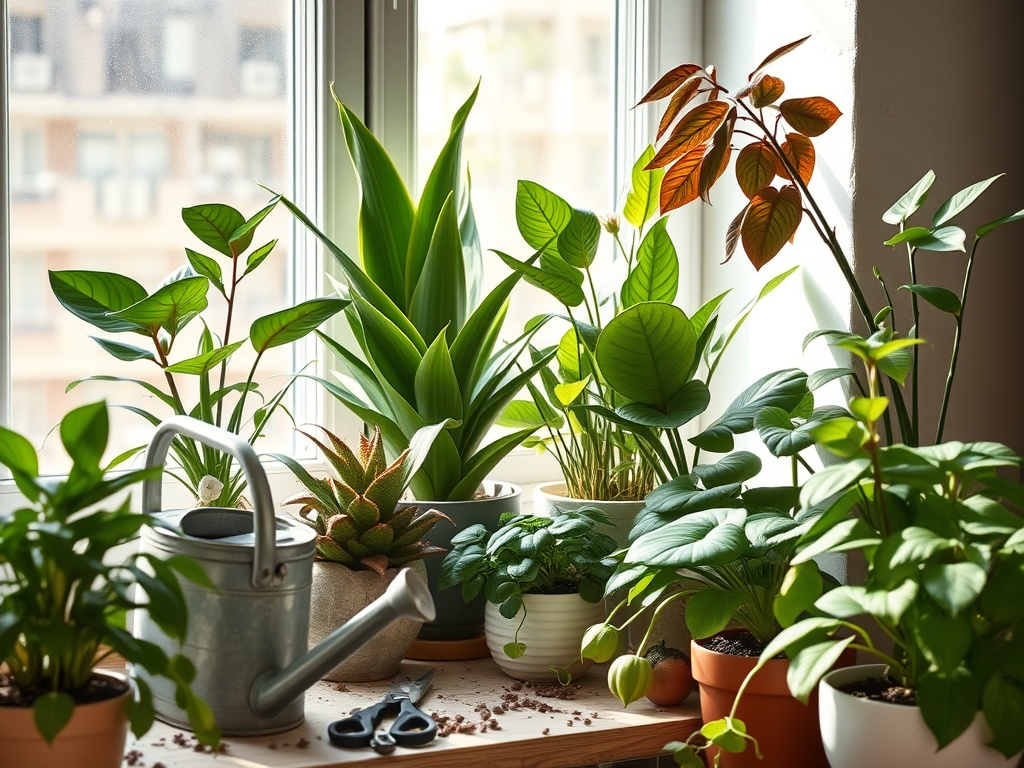

A useful houseplant care calendar does not assign watering or feeding to fixed dates. It uses the seasons as prompts to reassess light, temperature, growth, moisture use, pests, and placement, because indoor conditions change through the year even when the plants never leave the house.
TL;DR: Spring is for assessment, gradual light changes, pruning, and repotting when needed. Summer usually brings faster drying and active growth. Fall is a transition period for plants coming indoors and for reducing inputs as growth slows. Winter calls for careful watering, better light, pest checks, and attention to dry indoor air. Let each plant’s condition override the calendar.
Spring: Inspect Before You Repot
Longer days often bring renewed growth, making spring a good time to reassess the collection. Start by looking for yellow leaves, stretched stems, compacted soil, roots emerging from drainage holes, pests, and uneven growth toward the light.
The University of Minnesota Extension’s current spring houseplant care guidance recommends gradual adjustment to stronger spring light and repotting only when a plant actually needs more space. That distinction matters. Repotting every plant every spring can disturb plants that are doing well.
Clean dust from sturdy leaves with a damp cloth or gentle rinse as appropriate for the species. Remove dead material and rotate plants that have leaned strongly toward a window.
Spring Watering: Expect Change but Do Not Guess
As days lengthen and growth increases, some plants use water faster. That does not mean every plant should move to a twice-weekly schedule. Pot size, potting mix, light, humidity, root health, species, and temperature all affect drying.
Check the growing medium rather than the calendar. For many common houseplants, the top portion of the mix is allowed to dry before watering, but the appropriate depth varies by species. Plants such as succulents may need a much drier cycle than tropical foliage plants.
Water thoroughly when the plant needs it, allow excess water to drain, and empty saucers if the plant should not sit in water. Chronic saturation is a common route to root problems.
Late Spring: Decide Whether Plants Should Go Outside
Some houseplants benefit from a summer outdoors, while others are easier to keep in stable indoor conditions. If moving plants out, do it gradually. The University of Minnesota’s guidance on moving houseplants outdoors warns that plants adapted to indoor light can scorch when suddenly exposed to direct outdoor sun.
Start in a shaded, sheltered location and increase exposure only if the species tolerates it. Watch nighttime temperatures, wind, rain, and pests. Outdoor containers can dry much faster than indoor pots.
Do not assume a sunny indoor window equals safe full sun outdoors; outdoor light intensity is much greater.
Summer: Monitor Water More Often
Warm temperatures, active growth, moving air, and outdoor exposure can increase water use. Check plants more frequently, but water based on need.
Outdoor pots may need protection from prolonged heavy rain if the mix stays saturated. Indoors, air conditioning can create cooler or drier microclimates. Plants near west- or south-facing glass may also experience hot leaf temperatures even when the room feels comfortable.
Group plants by similar care needs when possible. That makes it easier to notice when one plant is drying much faster or staying wet much longer than its neighbors.
Summer: Watch for Pests Before They Multiply
Warm conditions can favor spider mites, aphids, scale, mealybugs, thrips, fungus gnats, and other pests depending on the plant and environment. Inspect leaf undersides, new growth, stems, and the soil surface during routine watering.
Sticky residue, webbing, distorted growth, speckled leaves, cottony masses, small flying insects, or bumps on stems can signal a problem. Isolate suspect plants from the rest of the collection while you identify the pest.
Use control methods appropriate to the specific pest and plant. Read pesticide labels carefully; products labeled for outdoor use are not automatically appropriate indoors, and some treatments can injure sensitive plants.

Fall: Prepare Outdoor Houseplants to Come Back In
Plants that spent summer outdoors should be inspected before coming indoors. Look closely for pests on leaves, stems, pot rims, drainage holes, and the surface of the mix. Clean containers and remove dead debris.
Transition plants before cold nights become a problem for the species. The exact temperature threshold varies, but many tropical houseplants are sensitive to chilling. Move them into lower light gradually when possible so the shift from outdoor brightness to indoor conditions is less abrupt.
Quarantining returning plants for a period can reduce the chance of spreading pests to an established indoor collection.
Fall: Reduce Inputs as Growth Slows
Shorter days often mean slower growth. Many plants therefore use water less quickly and need less fertilizer than they did in summer. Adjust based on observed growth and moisture use rather than changing every plant on the first day of autumn.
Move plants away from cold drafts or heat sources that create extreme temperature swings. Clean windows and leaves if dust or grime is reducing available light.
This is also a good time to inspect saucers, cachepots, and shelves for standing water or moisture damage.
Winter: Light Becomes the Limiting Factor
Winter houseplants often struggle because daylight is shorter and the sun angle changes. The University of Minnesota Extension’s winter houseplant tips discuss supplemental lighting, lower indoor humidity, pest monitoring, drainage, and careful repotting decisions.
Move plants closer to suitable windows if conditions allow, but protect foliage from cold glass and drafts. A full-spectrum lamp may help plants that are stretching toward limited light. Use a timer so the light schedule is consistent and still allows a dark period. If lighting or environmental controls rely on connected plugs or sensors, keep the setup simple and review the smart-home mistakes new users make before building complex automations.
Clean leaves because dust can further reduce the light reaching the leaf surface.
Winter: Water More Carefully
A common winter mistake is watering on the same schedule used in July. With slower growth and lower light, many containers dry more slowly. Check the mix before watering and pay attention to how long the pot remains wet.
Yellowing lower leaves, soft stems, fungus gnats, or persistently wet soil can indicate excess moisture, although these symptoms can have other causes. Crispy edges and wilting can indicate dryness, low humidity, root problems, or other stress, so diagnose before reacting.
Indoor heating can lower humidity. Some humidity-loving plants benefit from a humidifier or grouping, but species differ widely in their needs.
A Seasonal Calendar That Actually Works
Use four reminders, not dozens of fixed dates. In March or early spring, assess light, roots, pruning, and growth. In late spring, decide about outdoor placement. In early fall, inspect and transition plants indoors. In early winter, reassess light, watering, humidity, and pests.
Between those checkpoints, care by observation. A calendar should tell you when to look, not when to water blindly.
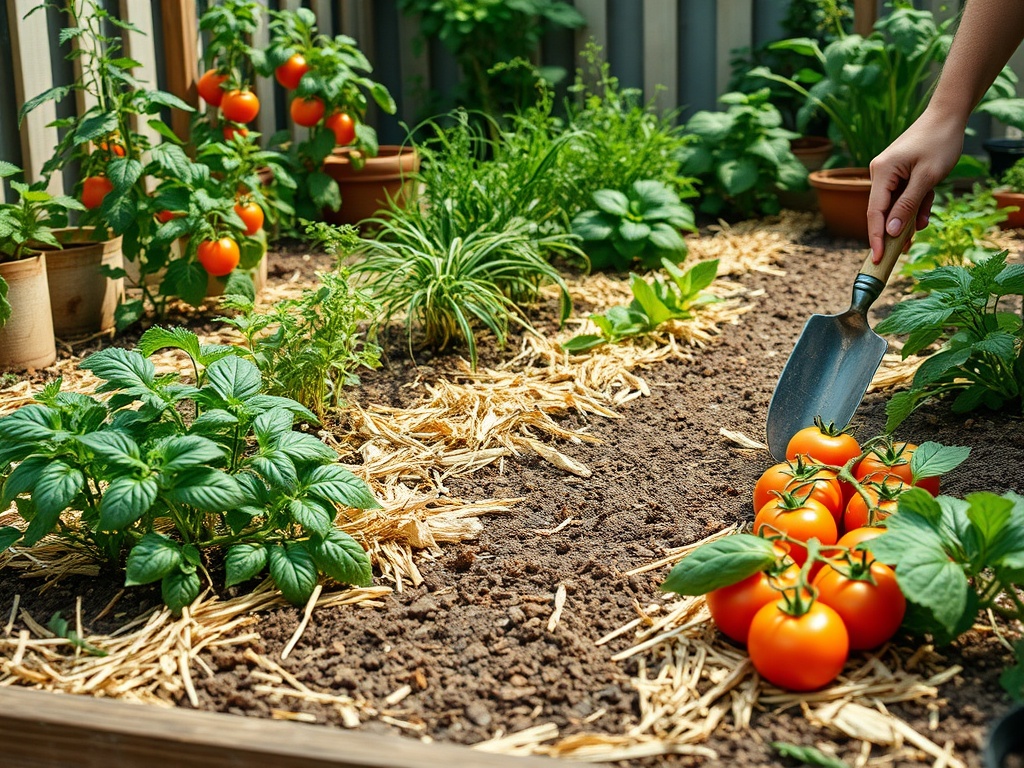
For food-growing containers or outdoor beds, the same principle applies to surface management: mulching an edible garden should be timed to soil conditions and crop needs rather than treated as a one-date task.
Keep a simple note for plants that behave differently from the rest. Over a year, you will build a house-specific calendar based on your windows, heating, humidity, and plant collection instead of a generic schedule.
Informational note: This article is for general educational purposes and does not replace professional horticultural, pesticide, toxicology, or veterinary guidance. Plant needs and toxicity vary by species; follow current labels and species-specific recommendations.