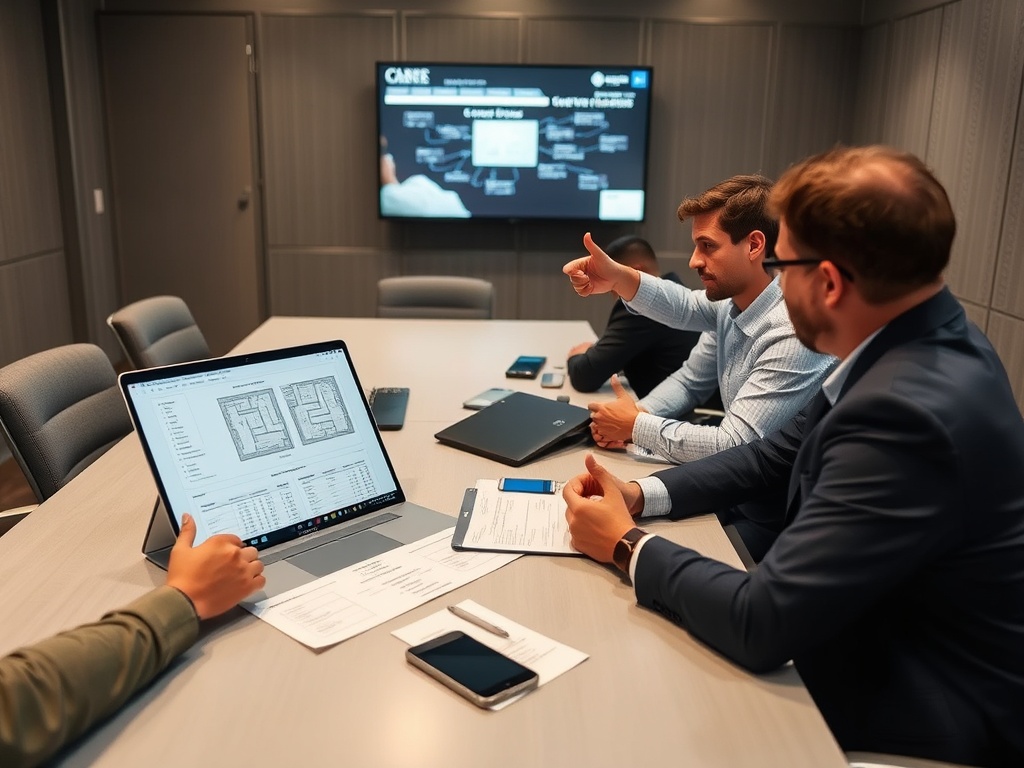

Live streaming creates short-lived event content when teams design only for the real-time broadcast and forget the replay, clip, transcript, and nurture journey. The fix is to plan the stream as both a live experience and a future content asset.
Live Streams Need a Life After the Broadcast
- event live streaming and on demand mistakes should be treated as an operating choice, not a last-minute tactic.
- The most common mistakes teams make with live streaming.
- Why those mistakes create short-lived event content.
- Schedules, access, pricing, availability, and participation rules should always be verified with the official organizer, venue, or contract owner before decisions are finalized.
Streaming Mistakes That Shorten Content Value
The first decision is to define the job of live streaming and on-demand content in the planning system. A weak brief usually creates late changes because teams start with an attractive idea, a tool, or a vendor promise before agreeing on the audience problem. Stronger teams write the intended attendee behavior, operational constraint, and success signal in plain language, then test every next decision against that frame.
For problem-aware readers, the useful question is not simply what looks modern or efficient. It is which choice reduces ambiguity for the people doing the work. A planning timeline, event format, floor plan, negotiation path, message checklist, onboarding sequence, live stream, vendor model, repurposing program, or B2B tool stack should make responsibilities easier to see before the team is under deadline pressure.
For streams and recordings, accessibility belongs in the production brief. The W3C captions guidance explains why captions help people use audio and video content more reliably, which also makes edited clips and replay libraries easier to consume.
A practical test is to ask three people from different roles to explain the same plan: one person from operations, one from marketing or programming, and one from the attendee-facing team. If they describe different goals, the problem is not effort. The problem is that the article’s core planning object has not been defined tightly enough.
Production Choices That Support Reuse
Leading teams usually adapt hybrid event production in small, visible steps. They start with the highest-risk handoff, such as the move from registration to check-in, the shift from sales messaging to creative production, the handover from vendor quote to contract, or the transfer from live session recording to edited content. Fixing that handoff often improves the entire event without creating a new administrative burden.
This is where same-domain planning context helps. A team that is revising the operating model can also look at Preferred Vendor Lists vs. Open Vendor Sourcing to compare how a related event decision changes the guest or team experience. The point is not to copy another checklist, but to connect the decision to the next practical document the team will use.
| Mistake | Why content fades fast | Better safeguard |
|---|---|---|
| No replay plan | Recording sits unused | Create clip themes before the event |
| Weak audio capture | Content is hard to reuse | Test microphones and backup recording |
| No captions or transcript plan | Audience access is limited | Budget captioning and transcript workflow early |

Accessibility and Quality Checks That Matter
The next 12-24 months will likely reward teams that document decisions earlier and reduce hidden assumptions. That does not mean every event needs enterprise software, complex production, or a large vendor bench. It means the team should know which details are fixed, which details are flexible, and which details need official confirmation before they are shared publicly.
For event live streaming and on demand mistakes, the best working documents usually include a decision owner, a deadline, a dependency, and a fallback option. This simple structure helps prevent the common event problem where everyone knows a decision is unresolved, but no one knows who can close it. It also keeps subjective preferences from being mistaken for confirmed facts.
Another related article, Attendee Onboarding FAQ: Answers Event Teams Need Before They Move Forward, can help teams think through the adjacent decisions that often surface once this topic moves from discussion to execution. Internal planning links are most useful when they help the team move to the next decision, not when they become a distracting reading pile.
The broadcast should also serve people who arrive late, watch asynchronously, use captions, or consume clips on a smaller screen. That changes how teams brief moderators, capture audio, label files, and plan post-event editing.
Process Fixes for the Next Broadcast
- Write the decision in one sentence: what live streaming and on-demand content is supposed to improve and for whom.
- Name the owner, approver, supporting teams, and the date by which a decision must be final.
- List the assumptions that must be verified with an organizer, venue, platform, vendor, policy, or contract.
- Create a fallback path for the highest-risk dependency so the team is not inventing a response during event week.
- Review the plan after the event and turn the lesson into a reusable template, not a private memory.
A final same-domain checkpoint, Best Practices for Content Repurposing, Lead Nurture, and Audience Retention in Modern Event Planning, can help connect this topic with a neighboring event planning concern before the plan is locked. Used well, internal references make the operating system stronger rather than longer.
Short-lived content often starts with a poor capture plan. If the camera framing, audio quality, slide visibility, speaker permissions, file naming, and transcript plan are weak, the post-event team inherits a rescue project. Better live content is usually created before the first viewer joins the stream.
Build the Stream for the Replay Audience Too
The practical next step is to review one current event through the lens of event live streaming and on demand mistakes. Identify the decision that would create the most confusion if it changed tomorrow, then turn that decision into a documented owner, deadline, dependency, and fallback. This events content is for informational and educational purposes only and is not legal, financial, travel, immigration, safety, or contractual advice. Verify details directly with official event organizers, venues, vendors, ticketing platforms, and qualified advisers before making travel, ticketing, participation, or contract decisions.