
Seasonal home maintenance is easiest to miss when a house seems to be working normally. The most useful routine is a short, repeatable inspection focused on water, heating and cooling, exterior drainage, safety alarms, and weather exposure before small problems become urgent.
TL;DR: In spring, look for winter water damage and drainage problems. Before summer, service cooling equipment and outdoor water systems. In fall, prepare heating, gutters, exterior penetrations, and freeze-prone plumbing. In winter, watch vents, ice, indoor humidity, and emergency equipment. Keep a written record so the same jobs are not forgotten next year.
The Task People Skip First: Looking Before Fixing
A seasonal checklist should begin with inspection rather than shopping. Walk around the exterior, then through the attic or upper floor, utility spaces, bathrooms, kitchen, and basement or crawl space if safely accessible. Look for new stains, corrosion, loose materials, musty odors, damaged seals, standing water, blocked drainage, or equipment that sounds different from last season.
Take dated photos of areas that are easy to compare over time, such as a foundation crack, roof edge, exterior caulk joint, deck connection, or stain below a plumbing fixture. A photo record helps distinguish an old, stable condition from a changing one.
Do not climb onto roofs, enter unsafe crawl spaces, or open electrical or fuel-burning equipment unless you are trained to do so. A ground-level inspection often tells you enough to know when professional evaluation is appropriate.
Spring: Drainage Is More Important Than Cosmetic Cleanup
Spring cleaning gets attention, but drainage deserves priority. Clear leaves and debris from accessible gutters and downspout outlets, then observe where water goes during rain. Downspouts should discharge in a way that does not send water back toward the foundation or create erosion.
Check exterior grading for low spots where water sits near the house. Look around hose bibs, irrigation connections, window wells, exterior doors, and penetrations for signs of damage from freezing or winter moisture.
Inside, inspect ceilings and walls below roof valleys, plumbing runs, bathrooms, and exterior walls for stains or peeling finishes. A small discoloration may be old, but an active leak should be addressed before repainting hides the evidence.
Spring HVAC Checks Often Happen Too Late
Homeowners often wait for the first hot day to discover a cooling problem. The ENERGY STAR HVAC maintenance checklist recommends pre-season professional checkups and routine attention to filters and system components.
For homeowner-level maintenance, know where the filter is, use the type specified for the system, and inspect it on a schedule appropriate to the equipment, household, pets, and local conditions. Keep outdoor equipment clear of obvious debris without bending fins or opening service panels.
If a system has unusual noise, weak airflow, repeated cycling, water around equipment, or electrical odors, stop treating it as a seasonal chore and arrange qualified service.
Early Summer: Check Water Use and Outdoor Connections
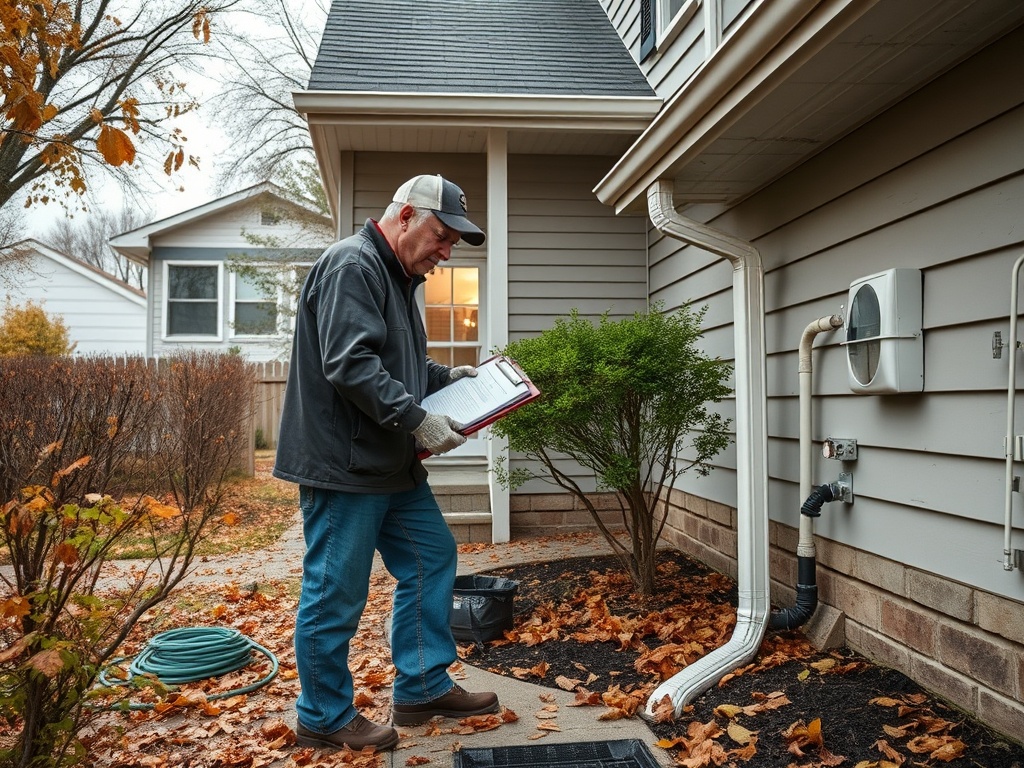
Summer adds demand to hoses, irrigation, pools, gardens, and cooling systems. Inspect hose connections for slow leaks, especially at wall penetrations. A drip that seems minor can keep siding, framing, or foundation areas damp.
Run irrigation zones while watching them rather than assuming the controller is doing its job. Broken heads, misdirected spray, buried emitters, or leaks can waste water and create wet areas next to structures. Adjust watering to plant needs and local restrictions rather than relying on a fixed calendar all season.
Outdoor electrical receptacles, extension cords, lighting, and equipment should also be inspected for obvious damage. Use outdoor-rated products as intended and consult an electrician when receptacles, covers, breakers, or wiring appear damaged.
Fall: Prepare the House Before the First Freeze
Fall is the season for preventing winter emergencies. Disconnect hoses where freezing is possible, shut down or drain exterior water systems according to their design, and identify pipes in unheated or exposed areas.
Clear gutters again after leaf drop if trees overhang the roof. Inspect roof edges and flashing from the ground with binoculars if needed. Look for loose siding, damaged weatherstripping, cracked sealant around openings, and gaps that may allow wind-driven rain or pests inside.
Heating equipment should be checked before sustained cold weather. ENERGY STAR also recommends pre-season heating-system attention. Fuel-burning equipment, chimneys, fireplaces, and venting may require specialized service; follow manufacturer guidance and local safety requirements.
Safety Alarms Belong on the Seasonal Calendar
Smoke and carbon monoxide alarms are easy to ignore because they are quiet most of the time. The U.S. Consumer Product Safety Commission recommends regular testing and correct placement of smoke and CO alarms; current CPSC carbon monoxide guidance also emphasizes following manufacturer instructions and maintaining alarms.
Use seasonal maintenance as a reminder to test alarms, check replacement dates, review battery requirements, and make sure alarms have not been blocked by furniture or renovation work. Requirements differ by jurisdiction, so local code may call for specific locations or interconnected systems.
The broader home safety mistakes guide covers alarms, tip-over risks, exits, and other hazards in more depth.

Winter: Watch What Snow and Cold Can Hide
In cold climates, snow can block exterior vents for furnaces, water heaters, dryers, or other equipment. Keep required clearances around vents according to the manufacturer’s instructions. Icicles, ice dams, or unusual melt patterns can signal heat loss or drainage problems, but diagnosis may require a roofing or insulation professional.
Indoors, very low humidity can be uncomfortable, while excessive humidity can contribute to condensation on windows or cold surfaces. If condensation is persistent, look for moisture sources and ventilation issues rather than simply adding or removing humidity without understanding the cause.
During storms and outages, keep generators outdoors and follow current safety instructions. Never improvise heating with fuel-burning devices not intended for indoor use.
Use a Four-Season Record Instead of a Giant Checklist
A checklist with 80 tasks is easy to abandon. A better system is a one-page record with four seasonal sections and three columns: inspect, service, and follow up. Add manufacturer-specific dates for filters, water-treatment equipment, pumps, appliances, and other systems.
After each season, write down what changed. If the same gutter clogs every fall, the same room condenses every winter, or the same irrigation zone stays wet every summer, the pattern may point to a design or repair issue rather than routine maintenance.
For homes with connected controls, remember that smart-home systems still need basic maintenance; an app cannot compensate for a blocked drain, worn seal, dirty filter, or failed mechanical part.
Keep the Routine Small Enough to Repeat
The best maintenance plan is the one you can actually complete. Choose one inspection weekend near the start of each season, keep notes, and schedule professional work before peak demand periods. Prioritize water intrusion, fire and CO safety, electrical concerns, structural changes, and heating or cooling failures over cosmetic projects.
Your next step is simple: create four calendar reminders and attach the same short checklist to each one. Add house-specific items as you learn them instead of building an overwhelming list on day one.
Informational note: This article provides general educational information and does not replace professional structural, roofing, HVAC, plumbing, electrical, fire-safety, pest-control, or legal advice. Follow manufacturer instructions and local codes.[/