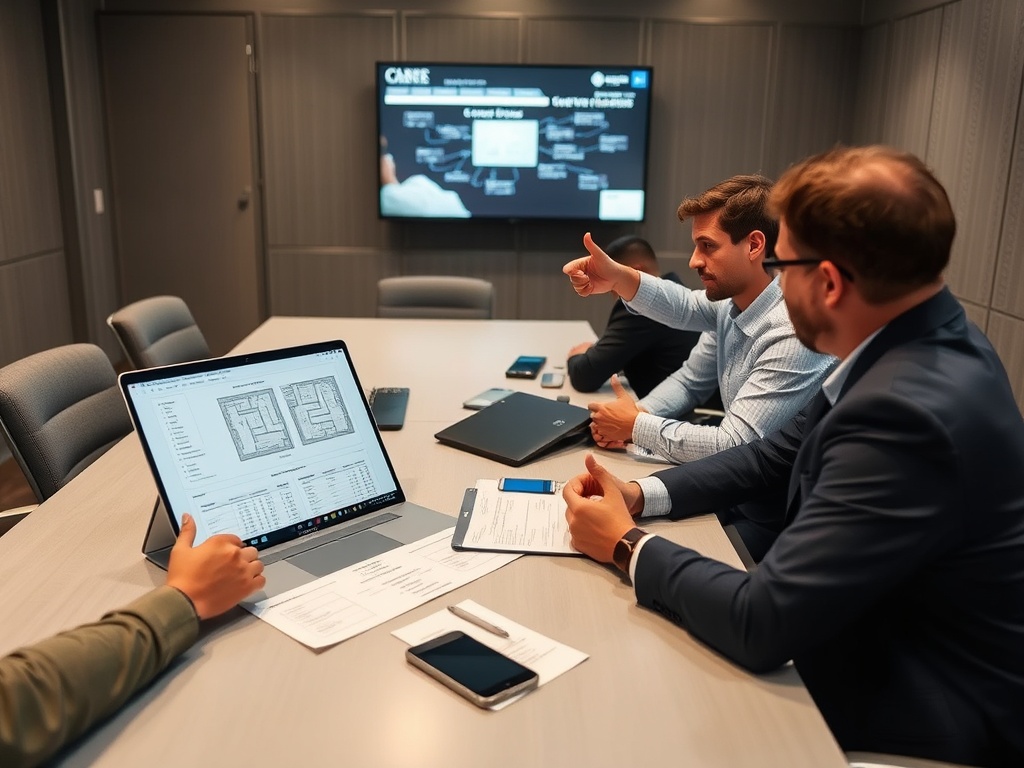

B2B event operations need tools and templates that connect strategy, registration, production, sponsor needs, attendee data, and post-event follow-up. The best stack is not the biggest one; it is the one that fits the team’s event size, decision rhythm, and reporting needs.
The Right Stack Makes B2B Events Easier to Operate
- B2B conference strategy tools should be treated as an operating choice, not a last-minute tactic.
- The tools, templates, and software categories that support b2b events.
- What to look for when evaluating resources for different event sizes.
- Schedules, access, pricing, availability, and participation rules should always be verified with the official organizer, venue, or contract owner before decisions are finalized.
Core Tool Categories for B2B Event Teams
The first decision is to define the job of B2B event tools and templates in the planning system. A weak brief usually creates late changes because teams start with an attractive idea, a tool, or a vendor promise before agreeing on the audience problem. Stronger teams write the intended attendee behavior, operational constraint, and success signal in plain language, then test every next decision against that frame.
For product-aware readers, the useful question is not simply what looks modern or efficient. It is which choice reduces ambiguity for the people doing the work. A planning timeline, event format, floor plan, negotiation path, message checklist, onboarding sequence, live stream, vendor model, repurposing program, or B2B tool stack should make responsibilities easier to see before the team is under deadline pressure.
For planning discipline, the event team can borrow the project logic of defined owners, milestones, risk reviews, and closure from PMI, then adapt it to the more fluid pace of events. Within the same site, How Automated Project Workflows Is Changing Planning Timeline for Event Teams gives a useful companion view when the operating model affects format or execution choices.
A practical test is to ask three people from different roles to explain the same plan: one person from operations, one from marketing or programming, and one from the attendee-facing team. If they describe different goals, the problem is not effort. The problem is that the article’s core planning object has not been defined tightly enough.
Templates That Keep Operations Consistent
Leading teams usually adapt event operations technology in small, visible steps. They start with the highest-risk handoff, such as the move from registration to check-in, the shift from sales messaging to creative production, the handover from vendor quote to contract, or the transfer from live session recording to edited content. Fixing that handoff often improves the entire event without creating a new administrative burden.
This is where same-domain planning context helps. A team that is revising the operating model can also look at How Automated Project Workflows Is Changing Planning Timeline for Event Teams to compare how a related event decision changes the guest or team experience. The point is not to copy another checklist, but to connect the decision to the next practical document the team will use.
| Tool or template | Primary job | Selection tip |
|---|---|---|
| Project plan template | Owns milestones and dependencies | Must match team size and event cadence |
| Registration platform | Captures attendee data and payments | Check integrations and support model |
| Post-event dashboard | Shows outcomes and follow-up needs | Avoid vanity-only reporting |

Stack Combinations by Event Size
The next 12-24 months will likely reward teams that document decisions earlier and reduce hidden assumptions. That does not mean every event needs enterprise software, complex production, or a large vendor bench. It means the team should know which details are fixed, which details are flexible, and which details need official confirmation before they are shared publicly.
For B2B conference strategy tools, the best working documents usually include a decision owner, a deadline, a dependency, and a fallback option. This simple structure helps prevent the common event problem where everyone knows a decision is unresolved, but no one knows who can close it. It also keeps subjective preferences from being mistaken for confirmed facts.
Another related article, Best Practices for Content Repurposing, Lead Nurture, and Audience Retention in Modern Event Planning, can help teams think through the adjacent decisions that often surface once this topic moves from discussion to execution. Internal planning links are most useful when they help the team move to the next decision, not when they become a distracting reading pile.
Sustainability and supplier accountability can also influence the decision. The Events Industry Council Sustainable Event Standards provide a structured way to think about environmental and social responsibility across event suppliers and operations. This does not make every sustainability choice mandatory for every event, but it gives teams a credible reference point when standards matter.
Implementation Tips Before Buying More Software
- Write the decision in one sentence: what B2B event tools and templates is supposed to improve and for whom.
- Name the owner, approver, supporting teams, and the date by which a decision must be final.
- List the assumptions that must be verified with an organizer, venue, platform, vendor, policy, or contract.
- Create a fallback path for the highest-risk dependency so the team is not inventing a response during event week.
- Review the plan after the event and turn the lesson into a reusable template, not a private memory.
A final same-domain checkpoint, If You’re Dealing With An event concept that does not fit the audience, Fix Community Event Format First, can help connect this topic with a neighboring event planning concern before the plan is locked. Used well, internal references make the operating system stronger rather than longer.
Tool evaluation should begin with workflow pressure, not feature lists. A small team may need one dependable project board and a clean registration export. A larger B2B conference may need sponsor deliverable tracking, CRM sync, session scanning, lead routing, and reporting by audience segment. The stack should match real operating complexity.
Pick Tools That Fit the Operating Model
The practical next step is to review one current event through the lens of B2B conference strategy tools. Identify the decision that would create the most confusion if it changed tomorrow, then turn that decision into a documented owner, deadline, dependency, and fallback. This events content is for informational and educational purposes only and is not legal, financial, travel, immigration, safety, or contractual advice. Verify details directly with official event organizers, venues, vendors, ticketing platforms, and qualified advisers before making travel, ticketing, participation, or contract decisions.