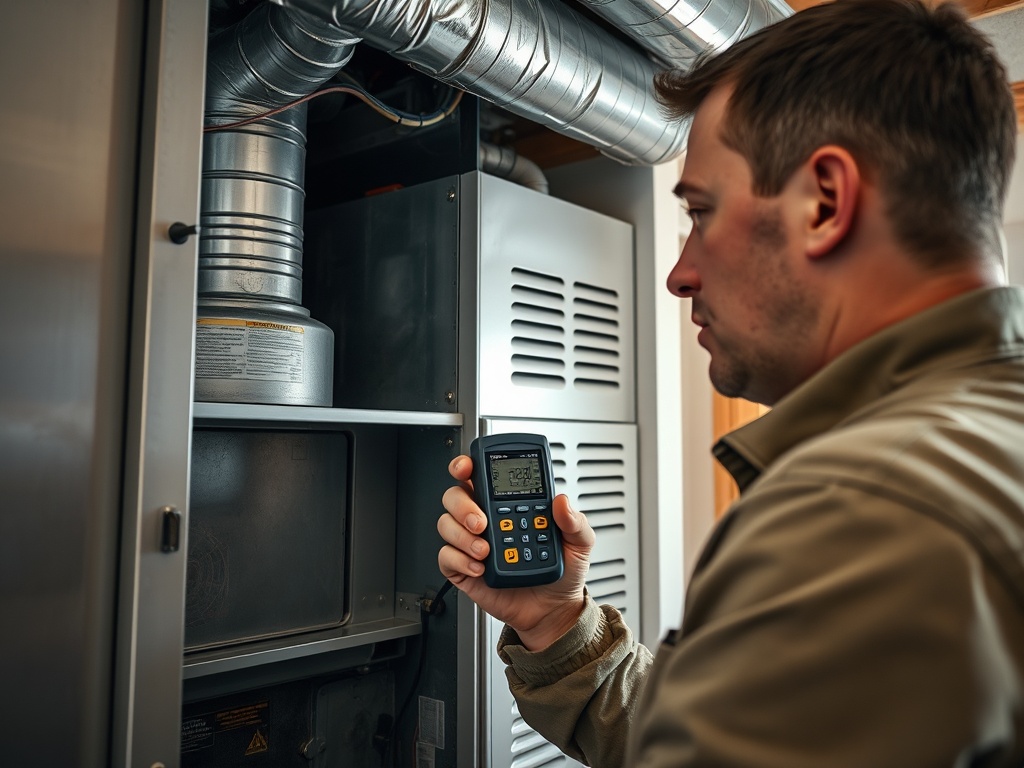

A sudden increase in HVAC noise usually means something changed: a panel loosened, debris entered the outdoor unit, a blower or motor developed wear, airflow became restricted, ductwork shifted, or a component began failing. Some sounds are harmless, but banging, grinding, electrical buzzing, screeching, or a new loud ignition noise deserve prompt attention.
First identify where the sound comes from and when it occurs. Check only safe, simple items such as a dirty filter, blocked return grille, loose exterior register, or debris around the outdoor unit. Shut the system down and request service if you hear grinding, metal-on-metal contact, repeated hard banging, strong electrical buzzing, or any noise accompanied by burning odor, gas odor, smoke, water leakage, or breaker trips.
Noise Becomes Useful When You Describe Its Pattern
“Loud” is less diagnostic than the pattern behind the sound. A technician will learn more from “a metallic rattle starts when the blower reaches full speed” than from “the furnace is noisy.”
Before touching anything, note:
- Which equipment is running: heating, cooling, fan-only, or auxiliary heat.
- Where the sound is strongest: thermostat area, supply vent, return grille, indoor unit, duct, or outdoor unit.
- When it starts: immediately, after several minutes, only at shutdown, or only during ignition.
- Whether the sound changes with fan speed.
- Whether airflow, temperature, odor, or electrical behavior changed at the same time.
Rattling Often Points to Something Loose
Rattling can come from a cabinet panel, loose fastener, register, duct section, drain line, or debris in an outdoor unit. Duct expansion and contraction can also create occasional popping as metal changes temperature.
Start with noninvasive checks. Make sure the filter access door is closed, visible supply registers are secure, and nothing is resting against the furnace, air handler, or outdoor unit. Look around the outdoor cabinet for branches, leaves, or objects that may vibrate against it. Keep hands clear of fan openings.
If the rattle is inside the equipment, persistent, or getting worse, stop there. A loose blower wheel, motor mount, fan blade, compressor-related component, or internal panel requires professional inspection. Carrier’s furnace troubleshooting guidance similarly separates simple external checks from noisy operation that can indicate mechanical or ignition problems.
Whistling and Roaring Can Be Airflow Problems
A high-pitched whistle near a return grille or filter slot can indicate restricted airflow or air being pulled through a small gap. A filter that is heavily loaded, installed incorrectly, or too restrictive for the system can change sound. Closed dampers, blocked grilles, crushed flexible duct, or undersized ductwork can also contribute.
Check that accessible grilles are open and unobstructed and that the filter is the correct size and installed according to the equipment instructions. Do not assume a higher filter rating is automatically better for every system; the filter and duct system must allow the required airflow.
If changing a visibly dirty filter does not restore normal sound, a technician can measure static pressure and blower performance. That is more reliable than guessing from noise alone.
Air leakage around ducts or building penetrations can sometimes create whistling that seems like equipment noise. If sound and comfort problems are concentrated near attics, crawl spaces, or exterior rooms, the broader envelope relationship described in why insulation and air sealing matter to HVAC performance may be relevant.
Grinding or Screeching Calls for Faster Service
Grinding suggests friction where rotating parts should move smoothly. Potential sources include motor bearings, blower assemblies, or fan components. Screeching or squealing can involve bearings, belts on older equipment, or other rotating parts.
These are not good candidates for prolonged “wait and see” operation. Continuing to run a failing motor or blower can increase damage. If the sound is severe or accompanied by reduced airflow or a burning smell, turn the system off at the thermostat and arrange service.
Banging Can Mean Duct Movement or a Mechanical Problem
One or two mild pops from metal ductwork during temperature change may be expansion and contraction. A repeated hard bang is different. It may involve a loose blower component, duct instability, compressor-related movement, or delayed ignition in combustion equipment.
A gas furnace that produces a pronounced boom at ignition needs professional attention. Do not try to clean burners or adjust gas controls yourself. Delayed ignition and venting problems can involve combustion safety.
If you hear a sudden bang and then the system stops, check the thermostat and breaker only from normal user-accessible controls. A breaker that trips again after reset should not be repeatedly reset. Electrical protection devices are signaling a fault that needs diagnosis.
Electrical Buzzing and Clicking Need Context
Many HVAC systems make normal clicks when relays, contactors, dampers, or ignition controls change state. A new continuous buzz, loud chatter, or repeated clicking without successful startup can point to a control, voltage, relay, contactor, transformer, motor, or capacitor problem.
Electrical parts can retain dangerous energy. Do not open service panels or test capacitors unless qualified. If there is a burning odor, visible arcing, smoke, or a hot electrical smell, shut the equipment down if that can be done safely and request service.
Corrosion can contribute to poor electrical connections or mechanical deterioration in some environments. If visible rust, oxidation, or moisture accompanies the sound, use the safe inspection framework in how to spot corrosion on HVAC components before it turns into a repair.
Outdoor Units Have Their Own Sound Clues
Heat pumps and air conditioners normally produce compressor and fan noise. Heat pumps may also change sound during defrost. What matters is a new deviation from the established pattern.
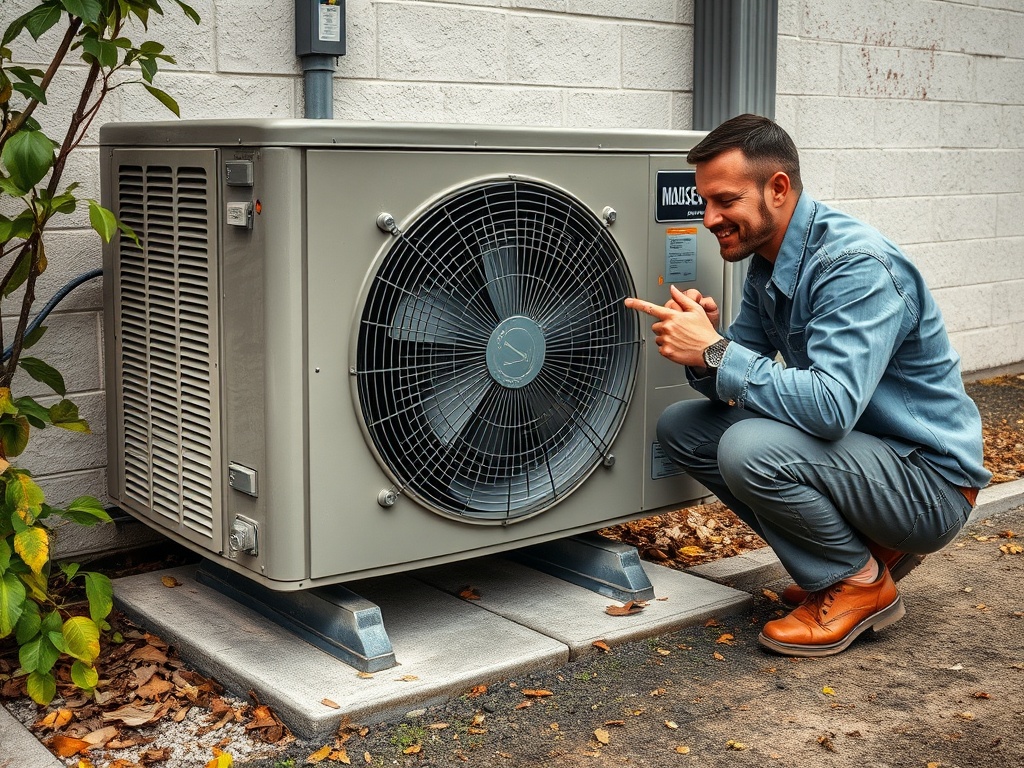
Look from a safe distance for debris, an object touching the cabinet, ice accumulation beyond normal transient frost, or a visibly damaged fan guard. Do not reach through the grille. A fan blade striking ice or metal, a failing bearing, a refrigerant issue, or compressor-related noise requires a technician.
When to Turn the System Off
Shut the system down and seek qualified help when a new noise is paired with any of the following:
- Burning or melting-plastic odor.
- Gas or fuel odor.
- Smoke or visible arcing.
- A carbon-monoxide alarm.
- Water leaking onto electrical components or finished ceilings.
- Repeated breaker trips.
- Grinding, severe screeching, or metal-on-metal contact.
- A loud ignition boom from fuel-burning equipment.
- A fan that appears damaged or obstructed.
If there is a gas odor or carbon-monoxide alarm, follow local emergency and utility guidance rather than staying near the equipment to investigate.
Repair Decisions Depend on Cause, Age, and Coverage
Repair decisions should be based on the diagnosed cause, repair scope, and any contributing condition such as airflow restriction, drainage, or corrosion.
If the system is still covered, verify which warranty applies before authorizing work. Manufacturer parts coverage, contractor labor coverage, and paid service contracts differ. The decision framework in should you buy extended HVAC warranty coverage can help separate those layers.
Use the Sound as Evidence, Not a Diagnosis
The useful next step is to document the sound, perform only safe external checks, and call for service when the noise is severe, persistent, or linked to safety symptoms. Do not let a system run for days simply because it is still producing heat or cooling.
HVAC noise often gives an early warning before a full loss of comfort. Treating that warning as useful evidence can make diagnosis easier and may reduce secondary damage.
Informational disclaimer: This article is for educational purposes and does not constitute professional HVAC, electrical, gas, refrigeration, fire-safety, building-code, or legal advice. Do not open energized equipment or adjust combustion components unless qualified. Contact a licensed HVAC technician for system-specific diagnosis.