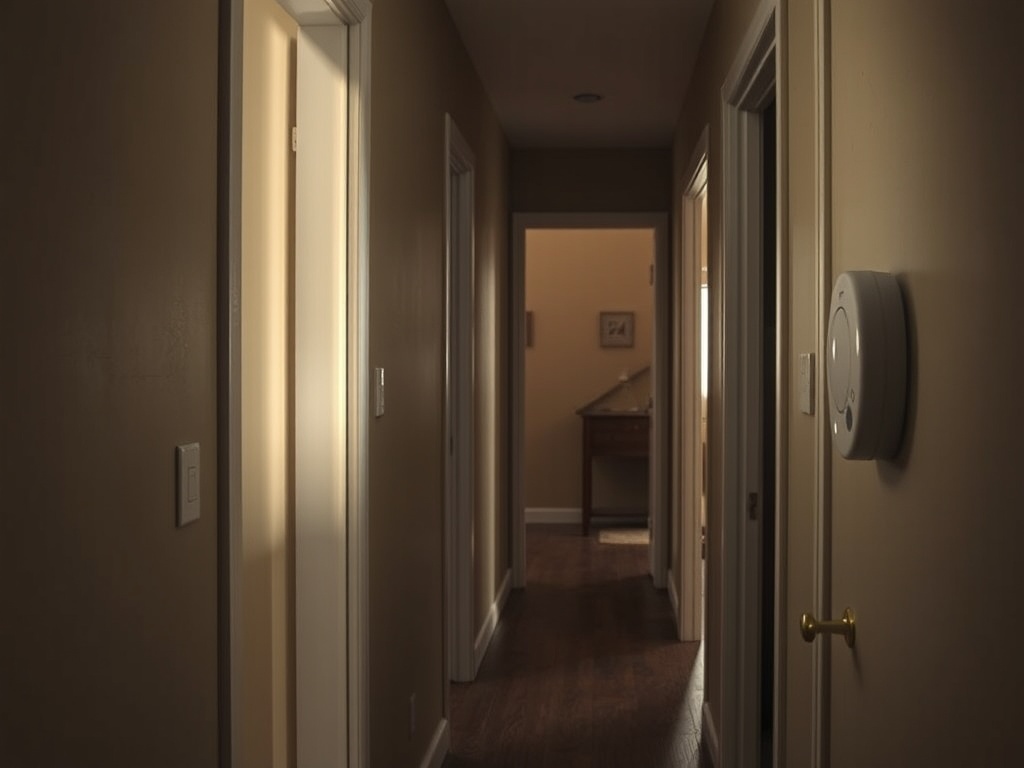

Carbon monoxide alarms are an essential warning layer in homes with fuel-burning appliances, attached garages, or other combustion sources, but they do not inspect a furnace, prove that combustion is correct, or replace professional maintenance. An alarm tells you that the device has detected carbon monoxide at a level and duration that meets its alarm logic; it does not identify the source or certify the HVAC system as safe when silent.
Install and maintain carbon monoxide alarms according to manufacturer instructions and local rules, and take every alarm seriously. Keep fuel-burning furnaces, boilers, water heaters, fireplaces, and venting systems professionally inspected. A silent alarm is not proof that combustion equipment is operating correctly, and a test button checks alarm electronics rather than exposing the sensor to carbon monoxide.
Carbon Monoxide Is a Combustion Hazard
Carbon monoxide, or CO, is a colorless and odorless gas produced when carbon-based fuels burn. Problems can arise when a furnace, boiler, water heater, fireplace, generator, vehicle, or other fuel-burning device is improperly used, poorly maintained, damaged, or vented incorrectly.
The U.S. Environmental Protection Agency’s carbon-monoxide safety guidance lists fuel-burning appliances and blocked or defective venting among potential sources. The same guidance stresses that alarms should be treated as a backup rather than a substitute for proper installation, use, and maintenance.
That distinction is central to HVAC safety. A furnace can have a venting, combustion, or heat-exchanger concern that deserves service even if the household alarm has not sounded. The alarm is designed around defined detection thresholds and time periods; it is not a continuous combustion analyzer.
What a CO Alarm Can Tell You
A properly installed, functioning alarm can warn occupants when its sensor and logic detect an abnormal buildup of carbon monoxide. Interconnected devices can extend that warning throughout a home, and battery backup can preserve alarm function during a power outage.
When an alarm sounds, follow the manufacturer’s instructions and local emergency guidance. If anyone has symptoms such as headache, dizziness, nausea, confusion, weakness, or shortness of breath, get to fresh air and seek medical attention. Do not remain inside trying to locate the source yourself.
The Consumer Product Safety Commission’s carbon-monoxide questions and answers also explains that alarms add protection but do not replace proper use and upkeep of fuel-burning appliances.
What a Silent Alarm Cannot Prove
No alarm should be used as a pass-fail test for a furnace. Silence does not confirm:
- Correct burner combustion.
- Proper draft through a chimney or vent.
- Absence of heat-exchanger damage.
- Correct gas pressure or burner setup.
- Safe operation under all pressure conditions in the house.
- Lack of intermittent backdrafting.
- Safe venting during unusual weather or exhaust-fan operation.
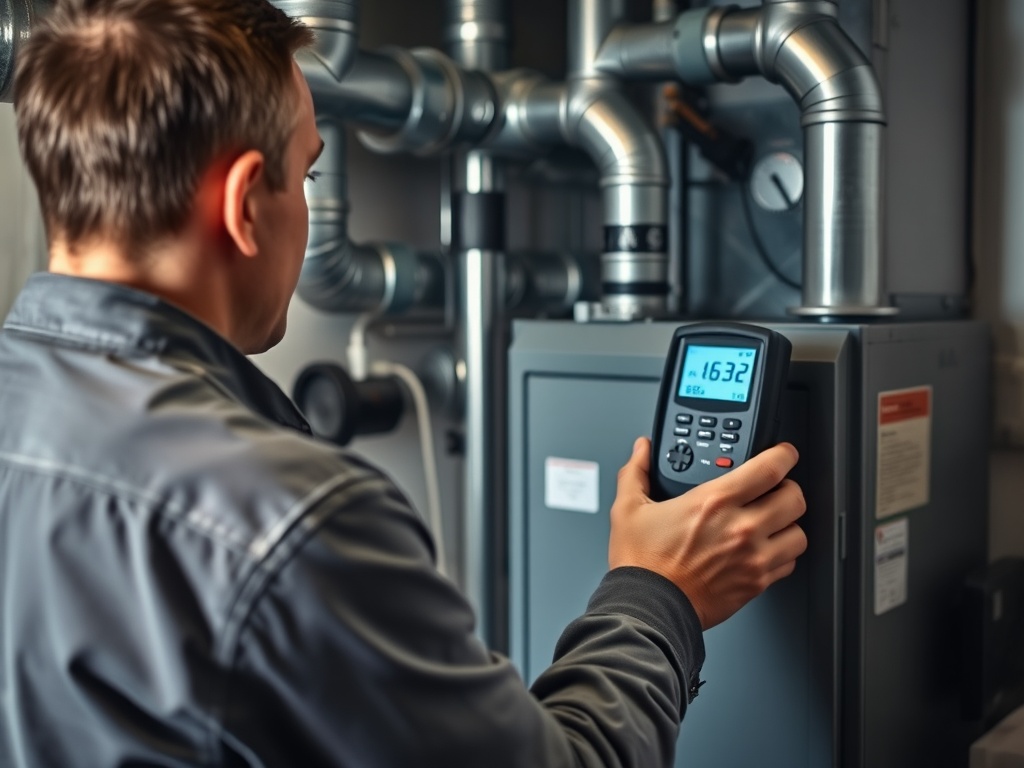
Some combustion problems are intermittent. A vent may spill only under a specific combination of outdoor temperature, wind, clothes-dryer operation, kitchen exhaust, or fireplace use. That is why trained technicians use combustion and draft instruments when evaluating equipment.
If the furnace has unusual rust, water staining, damaged venting, soot, or corrosion, those physical clues should be evaluated even without an alarm. The visual warning signs discussed in how to spot corrosion on HVAC components before it turns into a repair can help homeowners know what to report without opening equipment.
The Test Button Has a Narrow Purpose
Pressing the test button verifies that the alarm’s electronic circuitry, sounder, and related functions are working as designed. It does not necessarily test the sensor against real carbon monoxide. CPSC specifically advises consumers to follow manufacturer instructions for testing and replacement.
Alarms also have a service life. Some units signal end-of-life status, while others rely on the replacement date in the product instructions. Do not keep an alarm indefinitely because its test button still beeps.
Placement also matters. Follow the current manufacturer’s instructions and applicable local codes. General federal guidance commonly places alarms on each level and outside sleeping areas, but building codes and product instructions can add or modify requirements.
HVAC Maintenance Addresses Risks the Alarm Cannot
Professional maintenance on fuel-burning HVAC equipment may include visual inspection of venting and heat-exchanger areas, burner operation, safety controls, combustion performance, condensate systems on high-efficiency furnaces, and other manufacturer-specified checks.
The purpose is not to guarantee that a system can never fail. It is to identify unsafe or deteriorating conditions and verify that equipment is operating within its intended setup at the time of service.
A loud ignition boom, new rattling around venting, repeated shutdowns, soot, scorch marks, water around the furnace, or unusual odor all deserve attention. The article on why an HVAC system can suddenly become loud explains how sound patterns can help distinguish simple airflow noise from symptoms that justify faster service.
Attached Garages Add Another CO Path
Vehicles can produce dangerous carbon monoxide, and an attached garage creates a direct relationship between the garage and living space. Never run a vehicle in an attached garage, even with the garage door open. Air leaks around doors, wall penetrations, and pressure differences can move contaminants into the house.
Garage heaters also require careful selection and installation. Portable fuel-burning appliances can be especially hazardous when misused in enclosed spaces. If a garage is conditioned regularly, compare fixed and portable approaches with the safety considerations in garage HVAC options.
Keep the door between garage and house closed, maintain required fire and air separation, and do not create return-air pathways that draw garage air into the home’s HVAC system.
If an Alarm Sounds, Do Not Troubleshoot the Furnace First
A practical response sequence is:
1. Treat the alarm as real. Do not assume it is a nuisance alarm because there is no smell; CO has no odor.
2. Move to fresh air and follow the alarm instructions. If anyone has symptoms, seek emergency medical help.
3. Contact emergency services, the fire department, gas utility, or other local authority as appropriate. Local protocols differ.
4. Do not restart fuel-burning equipment until the source is evaluated. A qualified technician may need to inspect the furnace, boiler, water heater, chimney, or venting.
5. Replace or service the alarm if it has reached end of life or is malfunctioning, but only after the CO event itself is addressed.
The exact sequence should follow local emergency guidance and the device instructions, which take priority over general educational advice.
Use Alarms and Maintenance as Separate Layers
The strongest household approach is layered. CO alarms provide occupant warning. Professional HVAC maintenance addresses equipment condition and combustion. Proper venting gives combustion products a safe path outdoors. Building air sealing and ventilation should be designed so pressure relationships do not create unintended combustion problems.
A detector should therefore increase safety awareness, not reduce it. The useful next step is to verify that alarms are installed, tested, and replaced as instructed, then schedule qualified inspection of fuel-burning equipment and venting if service is overdue or any symptoms have appeared.
Informational disclaimer: This article is for educational purposes and does not constitute emergency, medical, HVAC, gas, fire-safety, building-code, or legal advice. If a carbon-monoxide alarm sounds or poisoning is suspected, follow the alarm instructions and local emergency guidance immediately. Have fuel-burning equipment evaluated by qualified professionals.