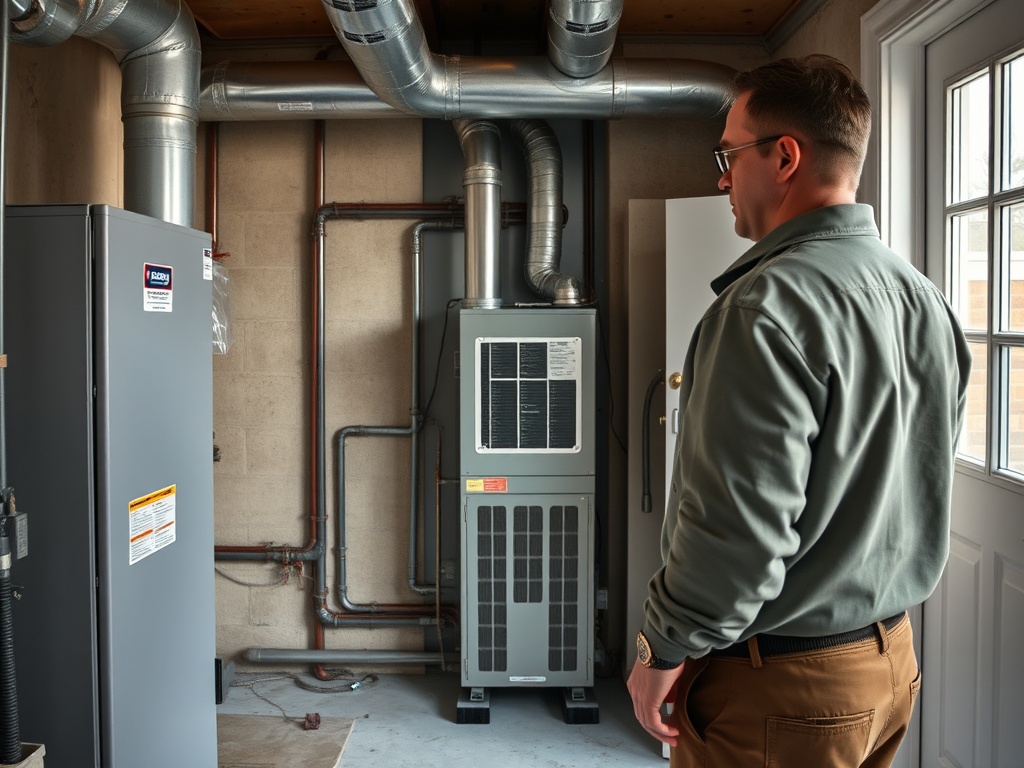

Switching from a gas furnace to a heat pump is not simply a fuel change. It is a whole-system design decision involving the home’s heating and cooling loads, ductwork, electrical capacity, low-temperature equipment performance, backup strategy, envelope condition, controls, and local energy prices.
Start with a heating and cooling load calculation, not the size of the old furnace. Check whether existing ducts can deliver the required airflow, whether the electrical service can support the new equipment, and how the selected heat pump performs at local winter design temperatures. Weatherization can reduce the load before equipment is selected, and dual-fuel systems may be an option when retaining a gas furnace makes sense.
Heat Pumps Deliver Heat Differently
A gas furnace creates heat through combustion and then moves that heat through the house. An electric air-source heat pump transfers heat between indoors and outdoors using a refrigeration cycle. In summer, it operates in the familiar cooling direction; in winter, the cycle reverses and moves heat indoors.
The U.S. Department of Energy’s heat-pump system overview explains that modern air-source and cold-climate designs can operate across a broad range of conditions. That does not mean every heat pump is suitable for every house without design work. Capacity and efficiency change with outdoor temperature, and the selected system has to meet the building’s actual load at the conditions expected in that climate.
A furnace may also deliver warmer supply air than a heat pump during normal operation. Homeowners accustomed to short blasts of very warm air can perceive a heat pump’s longer, steadier heating cycles differently even when room temperature is maintained. Controls, airflow, diffuser placement, and occupant expectations all affect comfort.
Do the Load Calculation After Envelope Decisions
The capacity printed on the old furnace nameplate is a poor sizing shortcut for the new system. Older furnaces may have been oversized, the home may have been renovated, windows may have changed, or insulation may have been added. A proper residential load calculation accounts for the enclosure, air leakage, orientation, windows, internal gains, and local design weather.
The Department of Energy’s Building Science Education resource on proper HVAC sizing emphasizes calculating heating and cooling loads before selecting equipment rather than using rules of thumb. This becomes especially important with variable-capacity heat pumps because the design must balance heating requirements, summer dehumidification, duct airflow, and cycling behavior.
If the home is drafty or poorly insulated, improve the envelope first when practical. The article on why insulation and air sealing matter to HVAC performance explains how reducing heat loss and infiltration can lower the load the future heat pump must serve. Planned weatherization should be reflected in the load calculation so equipment is not sized for conditions that will soon change.
Check Low-Temperature Performance, Not Just the Headline Rating
Heat-pump performance tables matter in cold climates. Two models with similar nominal capacities can deliver different heating output at low outdoor temperatures. Ask the contractor to show the manufacturer’s extended performance data or certified cold-climate information and explain how it relates to the local design temperature.
ENERGY STAR’s air-source heat-pump guidance recommends proper sizing and discusses cold-climate equipment and backup heating. The key planning question is not simply, “Does a heat pump work below freezing?” It is, “How much heat can this specific system deliver at the temperatures this house is designed to handle, and what happens when the load exceeds that output?”
Possible answers include selecting equipment that covers the design load, adding electric resistance backup, retaining a furnace in a dual-fuel configuration, or using zoned supplemental equipment. The right choice depends on climate, utility rates, electrical capacity, comfort priorities, emissions goals, and the condition of the existing furnace.
Inspect Ducts and Airflow Before Reusing Them
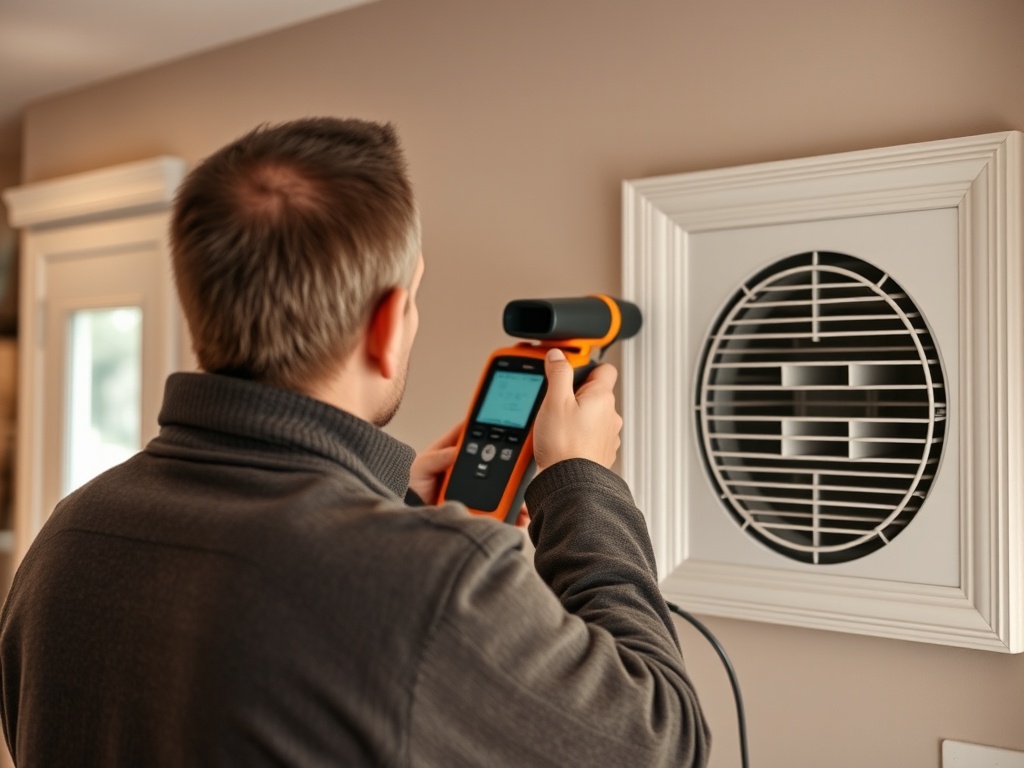
A heat pump may use the existing duct system, but reuse should be verified rather than assumed. Ducts built around an old furnace and air conditioner may have leakage, undersized returns, restrictive filters, weak insulation, or branch imbalances. A new heat pump can expose these problems because required airflow and operating patterns may differ.
Ask for static-pressure measurements, a review of supply and return capacity, and an inspection of accessible duct connections. If major duct changes are needed, include them in the project budget rather than treating them as a surprise after installation.
Homes without ducts have another path: ductless mini-splits or multiple indoor zones. That approach can avoid a major duct retrofit but introduces its own design questions about indoor-unit placement, condensate drainage, aesthetics, and room-to-room heat distribution. The same decision logic appears on a smaller scale when comparing garage HVAC options.
Electrical Capacity Can Change the Project Scope
A gas furnace uses electricity for controls and the blower, but an all-electric heat-pump system may add significant electrical demand, especially if electric resistance backup heat is included. The outdoor unit, indoor air handler, auxiliary heat, disconnects, breakers, and wiring must all be evaluated.
An electrician or qualified HVAC contractor should determine whether the existing panel has capacity and whether service upgrades are needed. Do not assume a larger breaker solves the problem; conductors, panel rating, service capacity, and equipment requirements all have to match. Local electrical codes and utility service rules apply.
This check can affect project timing and cost enough that it belongs near the beginning of the decision, not after equipment is ordered.
Decide What Happens to the Gas System
Removing the furnace may leave questions about other gas appliances and the gas service itself. A home may still have a gas water heater, range, fireplace, dryer, or pool heater. Eliminating only the furnace does not automatically eliminate the gas account or fixed service charges, and removing all gas equipment can create additional work for venting, piping, appliance replacement, and utility coordination.
A dual-fuel system keeps a furnace and pairs it with a heat pump. Controls choose which heat source operates based on temperature, economics, or a configured balance point. This can be attractive when a relatively new furnace is worth retaining or when electrical capacity and extreme-cold design make full electrification less practical.
Compare Proposals on Design, Not Just Equipment Brand
A useful proposal should make the system logic visible. Look for:
| Design Question | What the Proposal Should Explain |
|---|---|
| Heating and cooling load | Calculation method and assumptions |
| Low-temperature capacity | Output of the proposed model near local design conditions |
| Duct compatibility | Airflow, static pressure, leakage, and needed modifications |
| Electrical scope | Breakers, wiring, panel or service changes, auxiliary heat |
| Backup strategy | Electric resistance, dual fuel, or other supplemental heat |
| Controls | Thermostat, staging, balance-point logic, zoning if used |
| Commissioning | Startup checks, airflow verification, refrigerant setup, control testing |
Warranty language also deserves attention, particularly if a proposal bundles labor plans or service agreements with equipment coverage. Review those separately using the framework in should you buy extended HVAC warranty coverage, because a manufacturer warranty, contractor labor warranty, maintenance plan, and third-party service contract are not the same thing.
Build the Conversion Around the House
The best next step is a coordinated assessment: load calculation, envelope review, duct evaluation, electrical check, low-temperature equipment selection, and a clear backup plan. Ask contractors to show how their design responds to those findings rather than offering a direct capacity-for-capacity replacement.
A heat pump can be a strong heating and cooling option, but the success of the conversion rests on matching equipment to the house, climate, and operating goals. The more of that design work happens before installation, the fewer assumptions have to be corrected afterward.
Informational disclaimer: This article is for educational purposes and does not constitute professional HVAC, electrical, gas, structural, building-code, utility, or legal advice. Equipment performance, fuel costs, electrical requirements, permitting, and climate conditions vary. Consult licensed professionals for property-specific design and installation guidance.[/